Field Guide / Turkey
The 6 Best Weather Conditions for Turkey Hunting





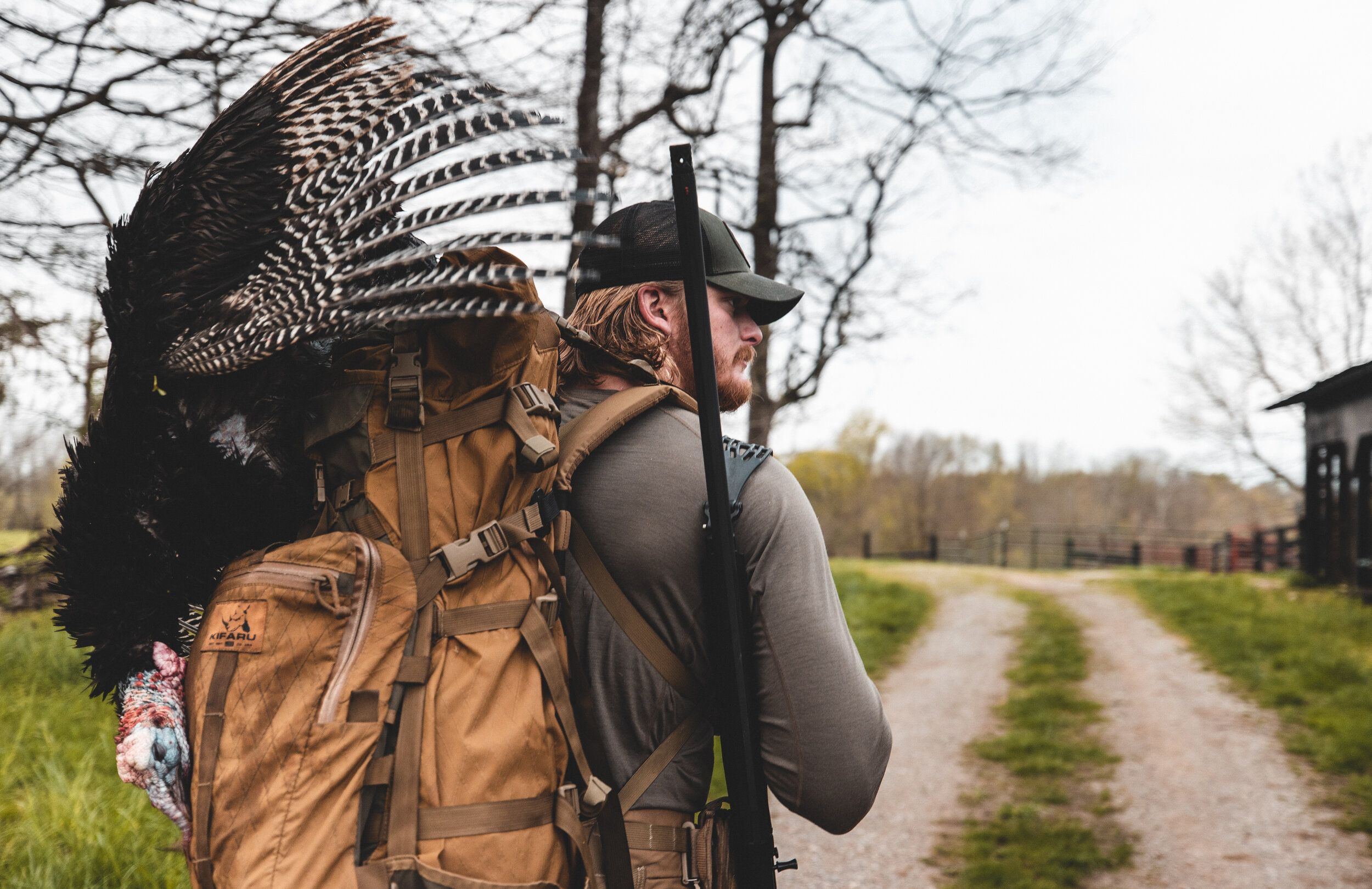
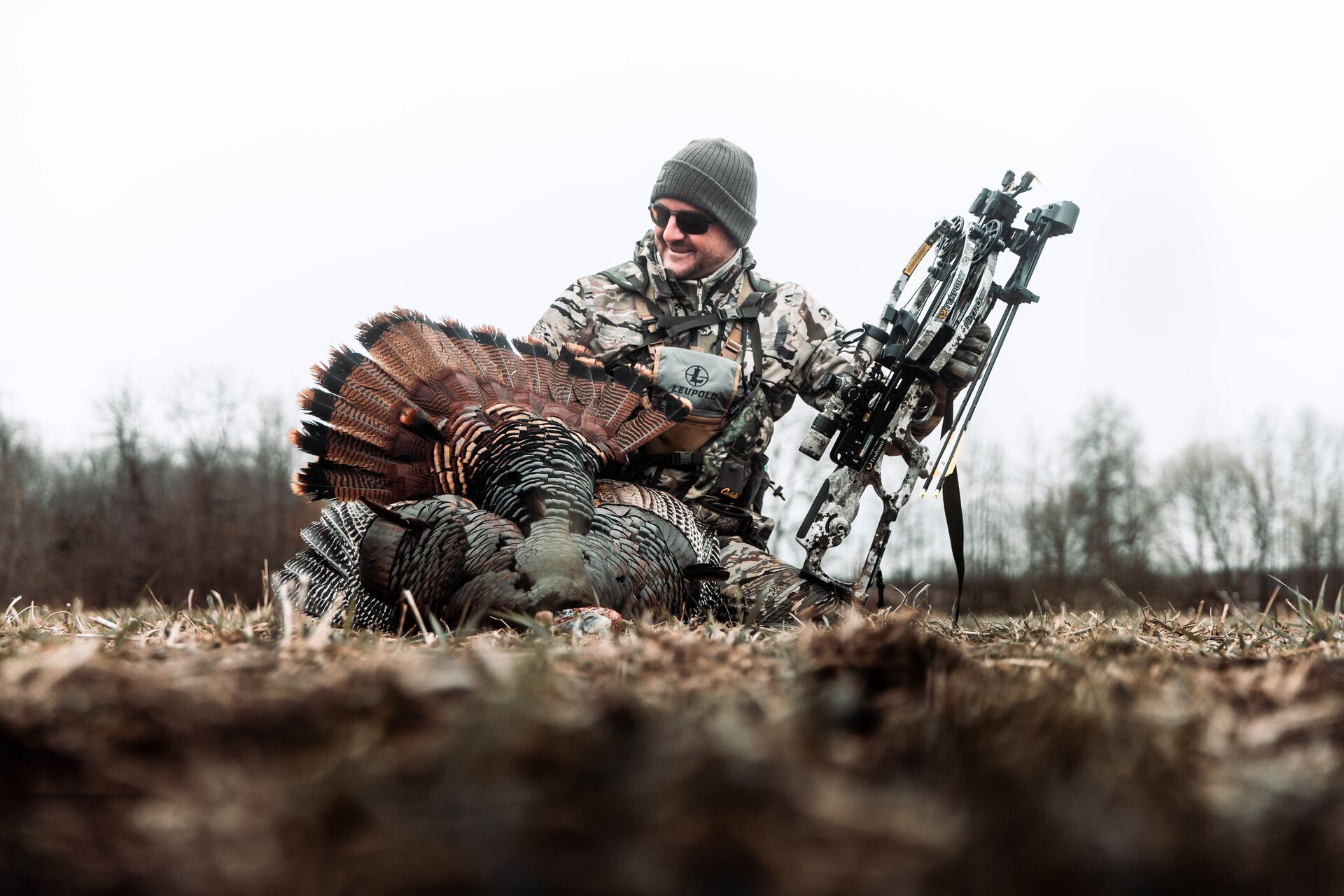
The best turkey hunting weather often includes light rain, cloudy skies, gentle winds, and the period following a storm, as these conditions tend to boost turkey activity while lowering hunting pressure. To increase their chances, hunters should adjust their strategies accordingly —for example, using louder calls in windy conditions or targeting feeding areas after rainfall.
However, as a hunter, you know the weather is unpredictable. Understanding how the weather impacts turkey behavior and how to adapt (in real time) helps increase your chances of a successful hunt.
There is not much you can control when turkey hunting, but even in the worst weather conditions, turkeys are still out there — and it's possible to have a successful hunt.
Knowing what weather is coming, when weather conditions will break, and how turkeys are likely to react in different weather conditions is critical to spring turkey hunting success. We can't control the weather, but we can learn how to deal with it.
So, here are six types of weather you might encounter during turkey hunting season, how they affect turkey behavior, and how you can adapt.
1. Rain (During and After)
Don't let rain wash out your turkey hunt!
Do turkeys move in the rain? If the day begins with steady rainfall, gobblers and hens may opt to remain on roost well after daylight. However, as the rain subsides, turkeys will leave their roost position and begin their day.
Knowing when adverse conditions will break is key to effective hunting on a rainy day. Fresh after a rain, turkeys will get out, dry out, meet up with other birds, and continue their routine.
During and after a rain, gobblers will crowd into flooded fields to eat swampy insects and other grubs from the ground. Turkeys like to huddle in open fields during rainfall because their eyesight is not as good in those conditions, and the rain falling on leaves through trees limits their hearing. This presents a prime opportunity to set up and line up a turkey for the shot.
If heavy rain persists, find low areas with thick cover. In these spaces, turkeys will tuck up under pine trees or other cover to protect themselves from wind and rain.
When heavy rain falls, turkeys may not gobble, but sometimes answer a call nearby. Before a hunt, be sure to scout for open fields, food plots, and thick areas. Visiting these areas ahead of a rain event can help clue hunters into where the turkeys may enter the field.
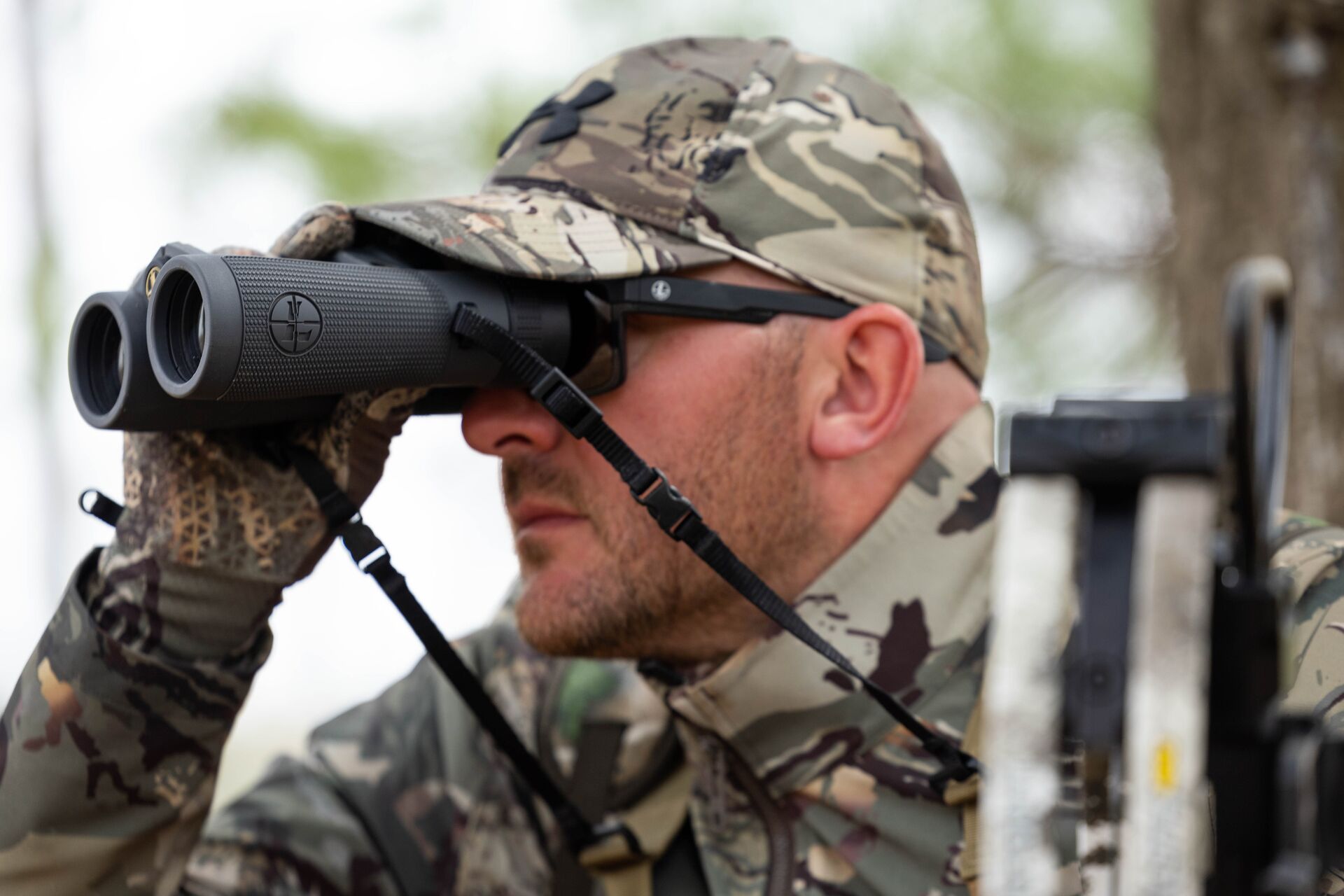
Use a quality pair of binoculars in the field while you scan for bird movement. And of course, use HuntCast to target the ideal times to be set up and ready for the rain to come to an end.
2. Hot and Dry
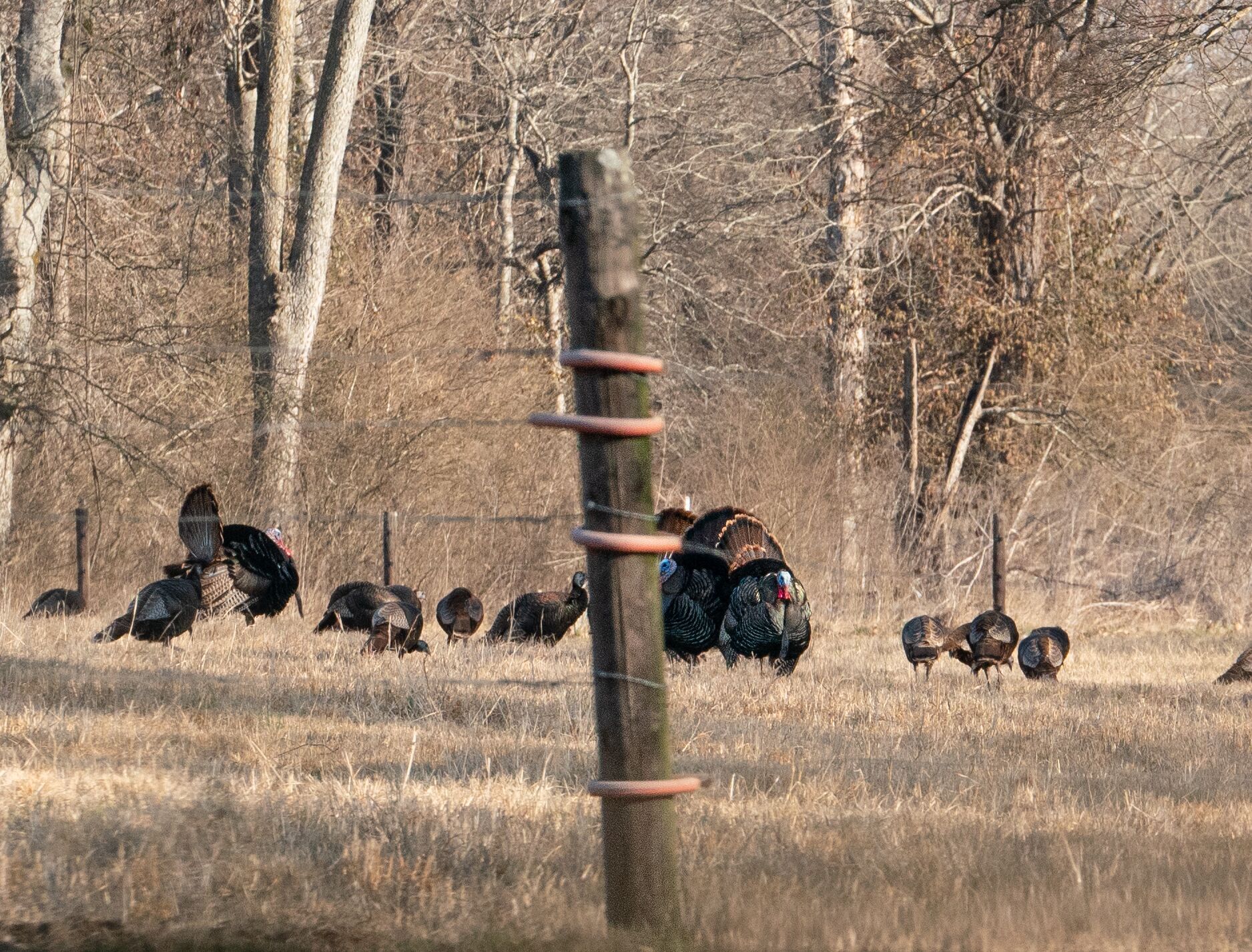
Heat waves during spring hunting are simply another weather event to which hunters and turkeys must adapt. Despite the weather, whatever it is, turkeys aren't going anywhere. So, adapting to the heat can give you an advantage over other hunters who stay home when it's hot.
Heatwave hunting isn't the easiest thing in the world, but it's not impossible, either. When the temperature spikes, hunting in the middle of the day can be tough. Turkey activity diminishes as the birds seek cool, shady spots.
During hot spells, early mornings and late evenings become prime turkey hunting hours, as the birds limit much of their activity to these periods.
Heat Slows Turkey Movement (But You Can Take Advantage)
A spike in temperature can also play a role in the noise levels of wild turkeys. There are exceptions, but generally, when it's stifling hot, most turkeys will be reluctant to come to a call. Since turkeys are most active during mild weather, their movement and activity slow when it's too hot or cold.
Turkeys are typically most vocal in temperatures between 60 and 69 degrees Fahrenheit. So, be mindful of temperature for turkey movement and vocals as you plan your hunt.
Remember: on a hot day, the birds are still out there but might be waiting under shaded cover for the hottest temperatures to pass.
Turkeys typically focus on water in the heat. Set up in a thick grove of tall oak trees, where shade and moisture-loving trilliums grow along a narrow, slow-moving creek. Get as close to the birds as possible, but be careful setting up; you don't want them to see or hear you coming.
Once set up, slow down and melt into the background. Then, when settled in a place where turkeys might spend time, produce a couple of strings of yelps, and be aware of the volume you produce.
A reply may not come instantly, so listen for several minutes. If you don't hear a gobble right away, repeat the process until you're convinced you should move to another location.
3. High Winds
As perhaps the most significant weather condition for turkey hunters, high winds make chasing gobblers a lot more difficult.
At the start of the spring season, hunters plan on the advantage of calling aggressive turkeys. How does wind affect turkey hunting? The wind can carry sound away from (rather than toward) the turkeys you want to harvest.
High winds also make it challenging to hear a gobbler respond to a call and identify its location. When you can't hear a tom call back, you may also struggle with the patience to hold your ground and listen for very long.
In windy weather, be prepared to sit longer without hearing responses from turkeys (even if they are in the area). You might also need to change your calling strategies to work around the wind.
Using friction or slate and box calls can be ideal when turkey hunting in the wind. These calls produce a high-pitched, high-volume sound that can compete with noisy wind conditions, so using them extends a hunter's calling range.
Mouth calls can still be effective in windy conditions; just be aware that the active range will be shorter than in less breezy conditions.
Wind Changes a Turkey's Daily Pattern
In addition to the impact on how sound travels, windy weather changes a turkey's daily pattern. When it's windy, wild turkeys must depend on their eyes more and tend to spook more easily in poor weather conditions.
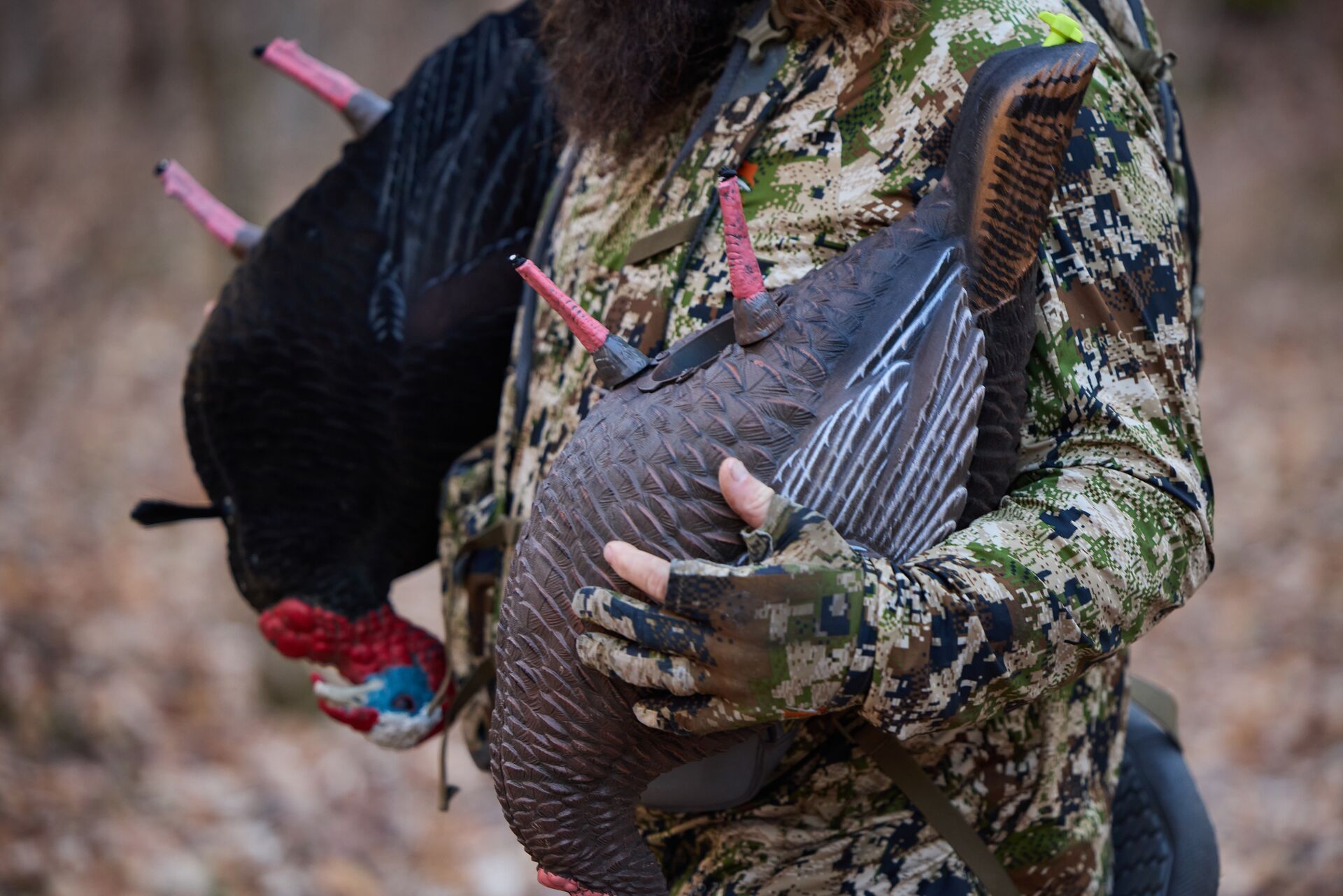
HuntWise hunters recommend setting up near open areas protected by timber. Turkeys feel more comfortable in these areas. They're also less likely to feed in open, unprotected fields when windy.
We also recommend adjusting your turkey decoy strategy. Consider a jake or jake-and-hen decoy instead of a full-fan decoy.
Use the Wind to Your Advantage
If the wind interferes too much with your patience to sit, listen, and wait (and you prefer more action), try "running and gunning" after birds to stir them up.
Don't be afraid to move and check fields for activity often. Moving on windy days can pay off. Turkeys still depend on their amazing eyesight when it's windy, so move in thick concealed areas surrounding these open areas to improve your chances of harvesting a bird despite the wind.
Most importantly, hunters can use high winds to their advantage. Windy conditions help eliminate your sound to conceal some of your movement that might spook a bird. Turkeys have a harder time seeing even slight movements when their surroundings blow in the wind.
A breezy day could give you just enough surrounding movement to move your gun or draw your bow and make an excellent shot before a turkey realizes you're there.
Remember: You don't have to be at the mercy of the wind. Planning around the wind is easier with HuntWise and the WindCast feature. Set your ideal wind and see real-time wind intel to pick the best spot to set up (or move) as the wind blows.
4. Sleet or Snow
Depending on where you hunt turkey in the spring, snow can be a factor.
Many hunters in the Midwest have hunted turkeys in the snow, and it's not unheard of in other locations around the U.S. As a sworn enemy of wild turkeys, sleet and snow weigh down turkey feathers and lower their core temperature.
Like wind, snow, and cold temperatures can also change turkey patterns, leaving hunters wondering where all the birds have gone. When cold weather arrives, gobblers gobble less. This can make it hard for hunters to call a tom into a decoy setup.
Additionally, much like the rain, snow encourages hens and gobblers to stay on the roost longer, where they can be protected from the elements. However, if their roost does not provide adequate cover or protection, they'll head for the nearest open evergreen stand at first light.
Target Mid-Day Hunting
Hunting mid-day is an excellent strategy for outsmarting snowy or cold conditions.
Mid-day temperatures are more appealing for turkeys to move around compared to frigid morning temperatures. When planning your day in the field, look for areas that will warm more quickly than other areas when the sun appears.
For hills or slopes, sit up on the southern sides. These areas will heat faster and become the warmest spots, attracting turkeys.
Also, look for areas that will lose snow more quickly than other areas. Turkeys will scratch and look for food in these open areas where the ground peeks through first. Finding food is much harder in the snow, so turkeys will look for the easiest way to find a food source.
5. Foggy Conditions
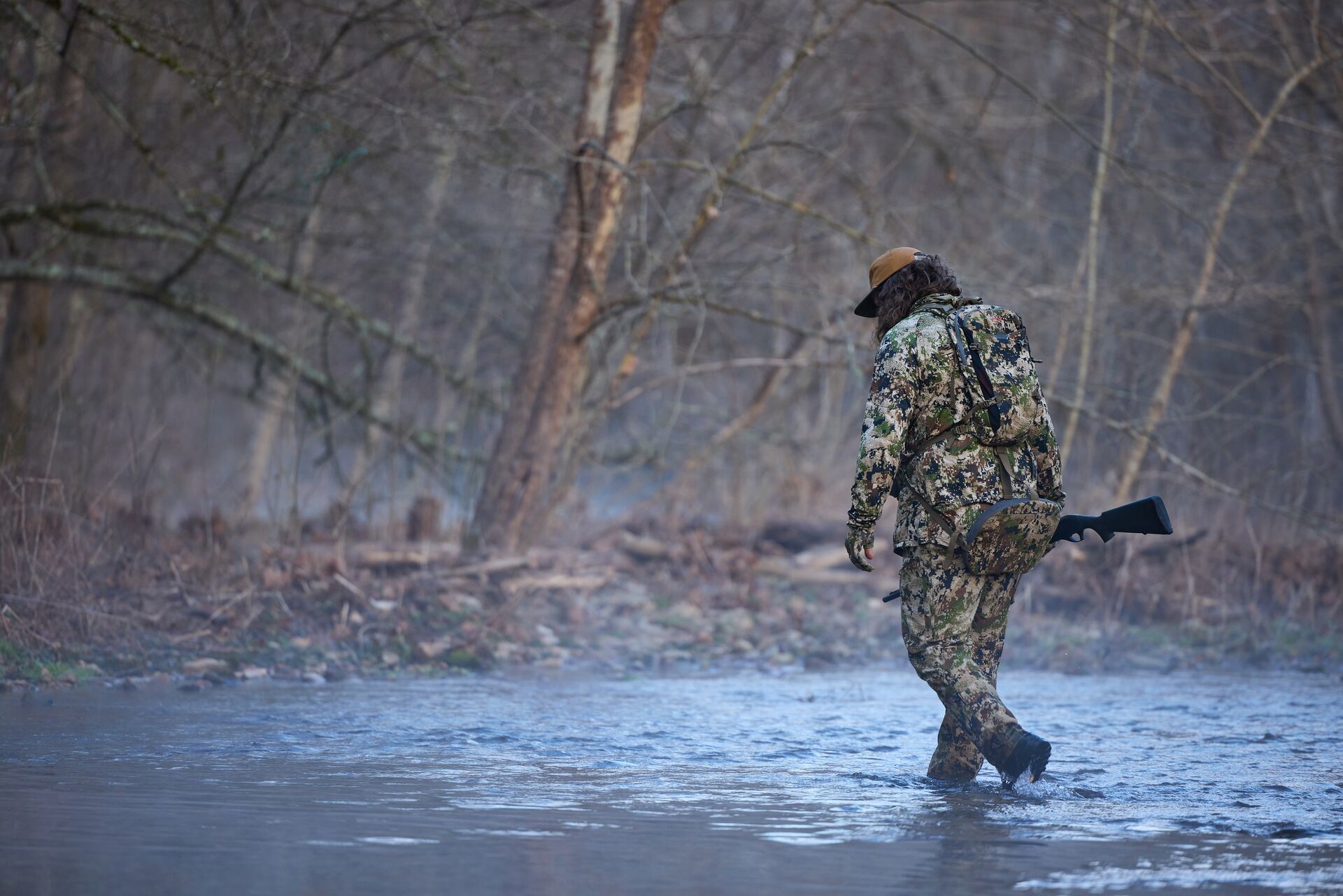
Fog is like glue: It makes everything run slower for turkeys. They start calling later, fly down later, loiter longer, and move more slowly while feeding.
Hunters can use fog to their advantage by concealing their approach and movement close to the roost. At daylight, if it's still foggy, birds will stay on the roost while they see the fog burn away.
However, even though they won't fly down in a fog, they'll gobble just fine. When fog sets in throughout the day, gobblers tend to gravitate towards open terrain and fields, much like they do in the rain.
Use the same strategies you would apply to a rainy day to plan your day for a successful foggy-day hunt!
6. Clear, Calm, or Partly Cloudy Days
Yes, a beautiful, clear, calm day can be the best weather for turkey hunting!
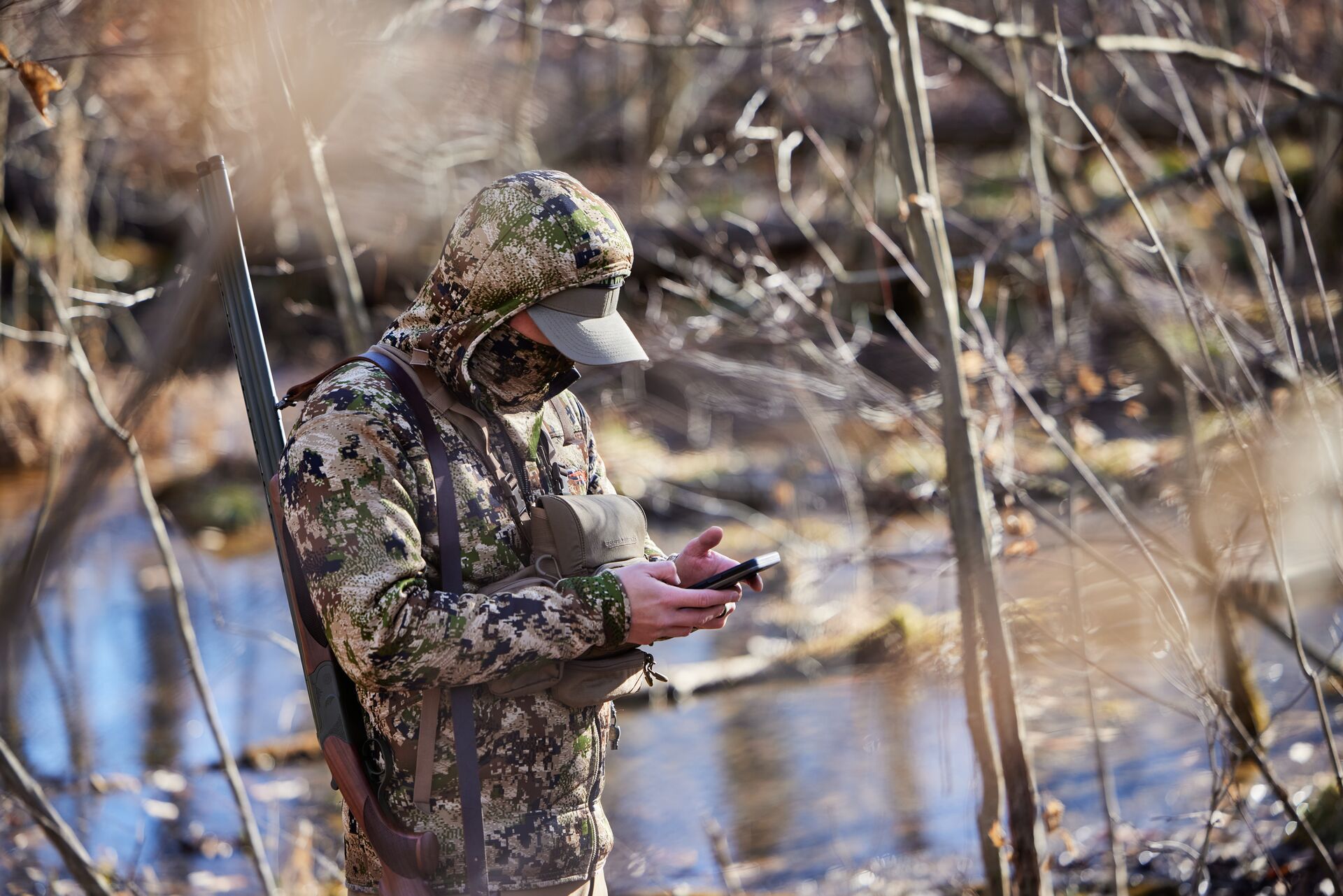
What is the best weather for turkey hunting? It's the weather you plan for!
There's no need to be surprised by the weather on the day you plan to hunt turkey! Even though the weather can change on a dime, the HuntWise app can track weather events so you can adapt your hunt style ahead of time — or on the fly based on incoming weather conditions.
You can stay one step ahead of the turkeys with live weather reports, weather forecasts, wind direction, and sunrise and sunset times in one convenient place.
Download HuntWise and use Pro and Elite features free for a week to plan your next turkey hunt!

Previous in Turkey
More Content Like This
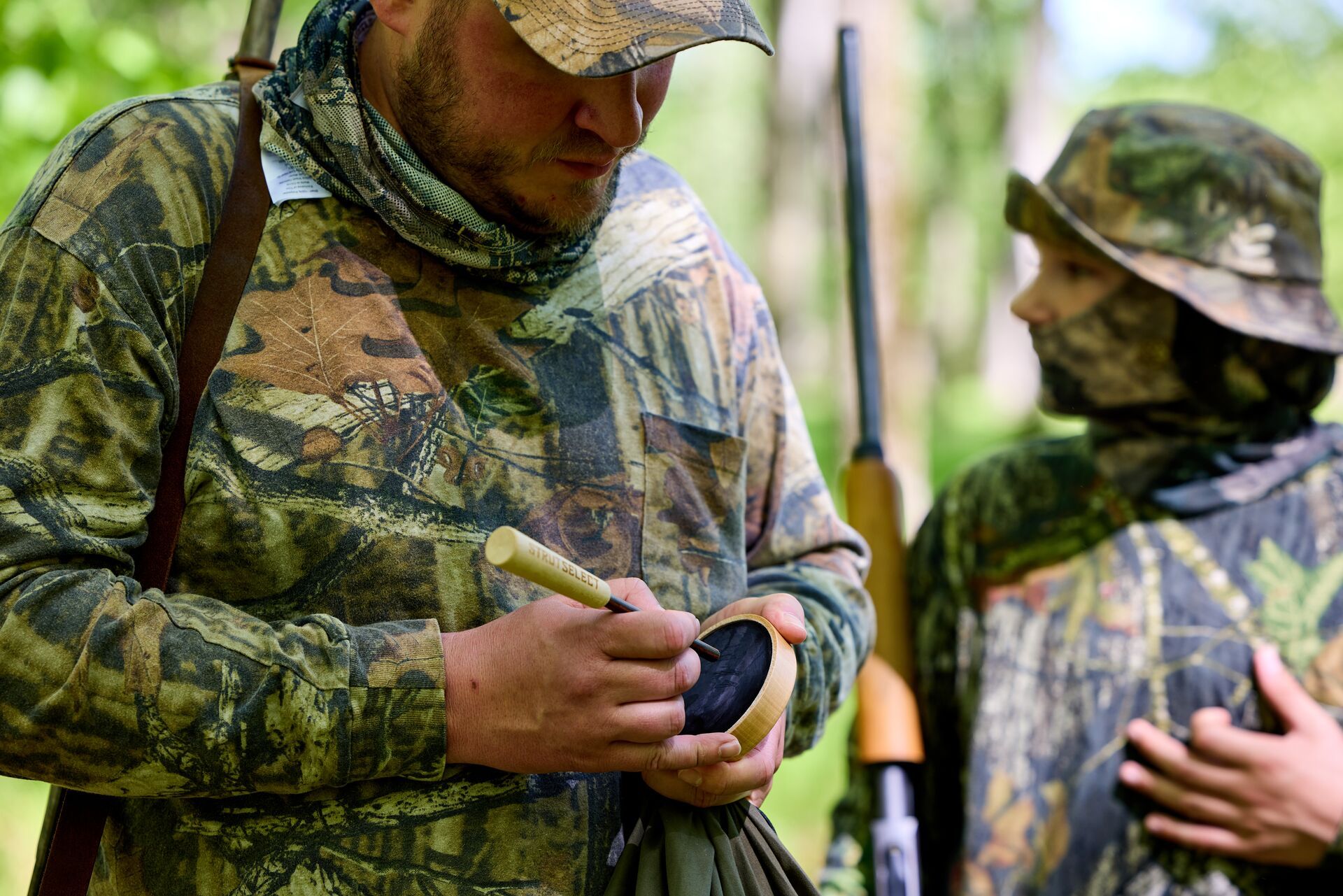
Best Turkey Hunting Gear for 2026 Hunts
With Spring just around the corner, it's time for a complete kit review of all your turkey hunting gear. Whether you're looking to upgrade your kit or determined to make 2026 the year of more turkey hunts, you'll need the right equipment to get in th...Read More
Read More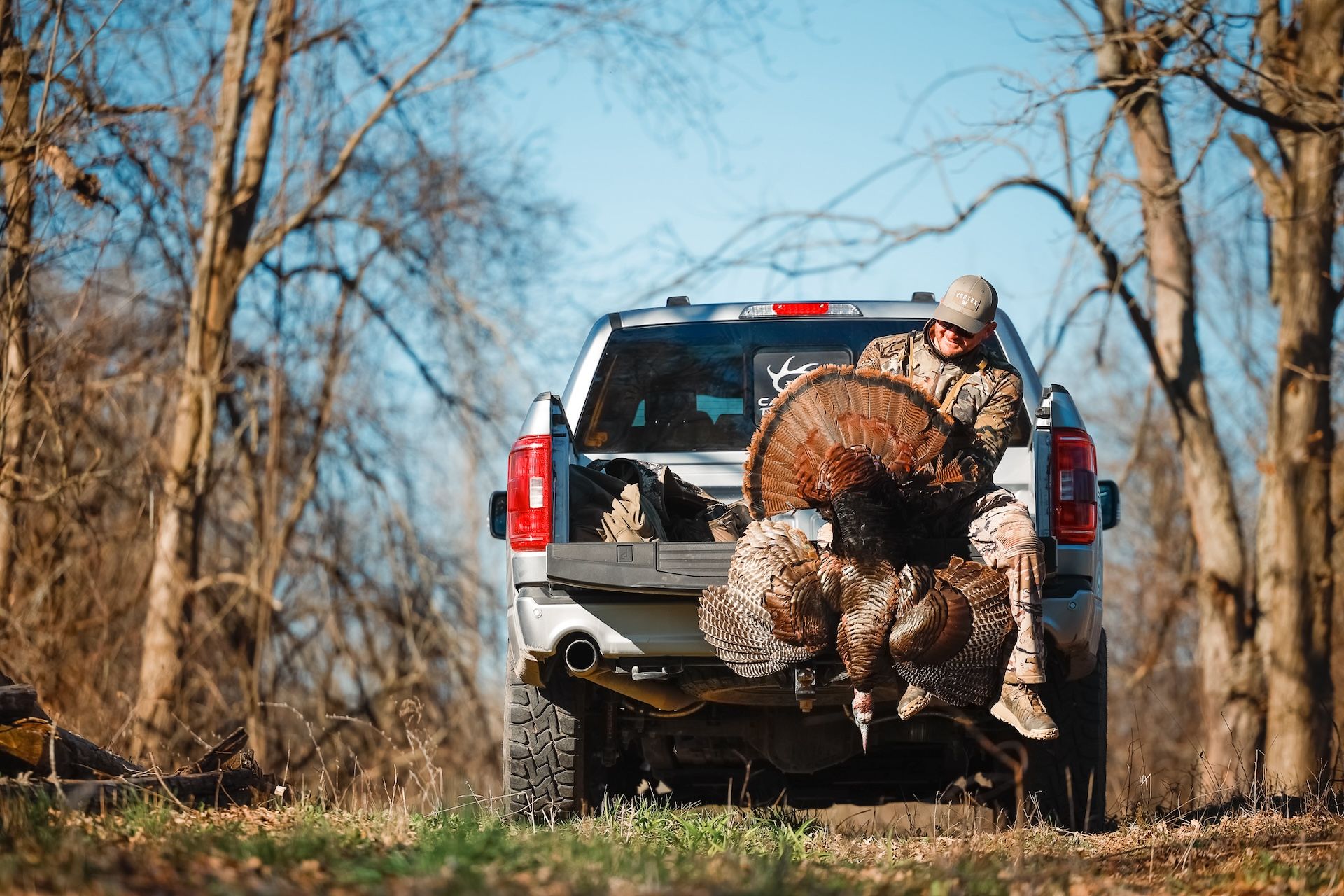
Turkey Talk: Osceola, Merriam's, and Heritage Turkey
While the Eastern turkey may be the most famous, true turkey hunters know that the variety of types and the unique blend of challenges and rewards of each breed make turkey hunting one of the most exciting and respected cultural traditions in the U.S...Read More
Read More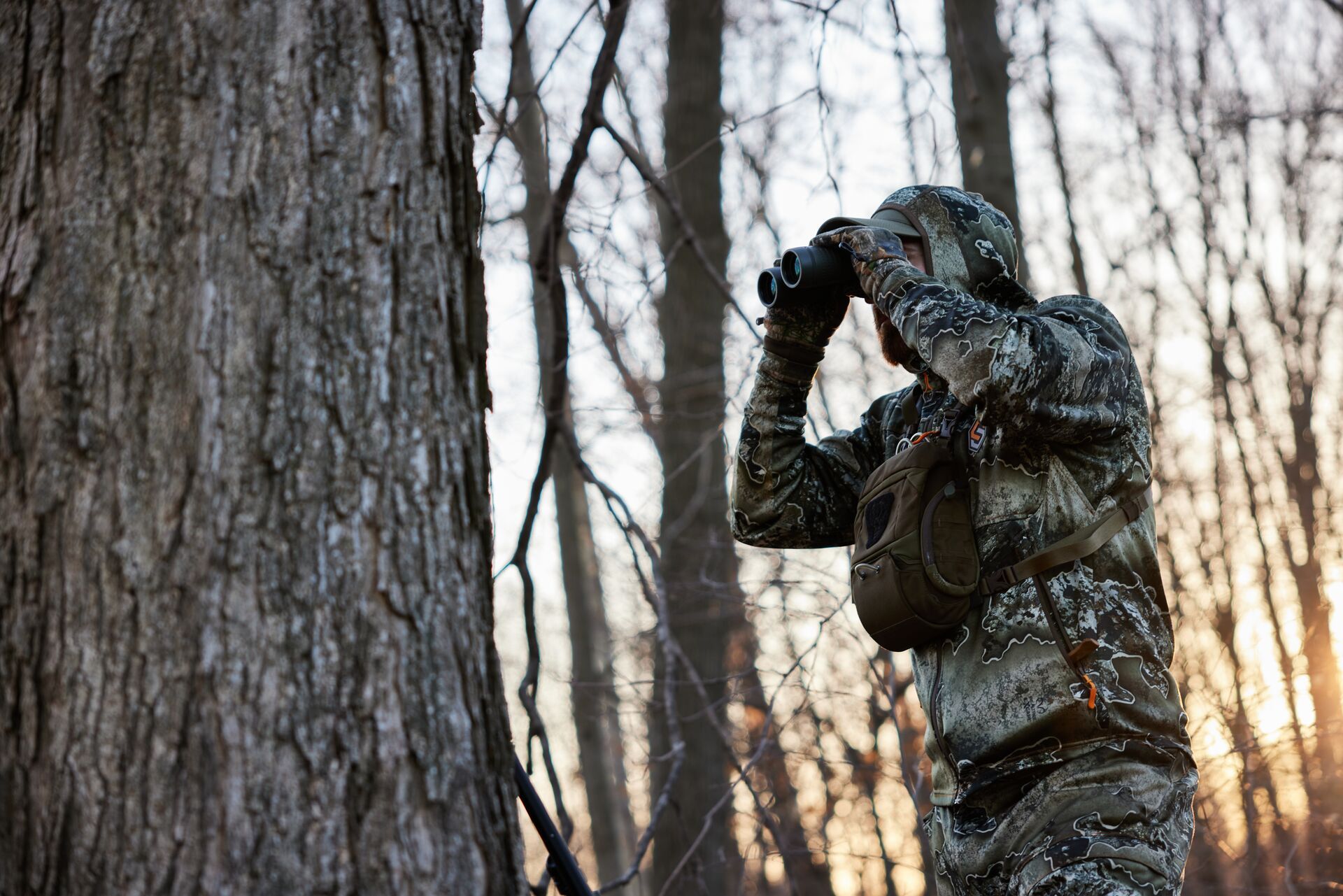
How to Scout Turkey with HuntWise
Imagine it's the opening morning of spring turkey season. You're up early to brew your coffee and get ready for the walk to the woods or field edge, where you're hoping some gobblers will strut right into your decoys and offer you a perfect 25-yard s...Read More
Read More- Turkey
Best Turkey Hunting Gear for 2026 Hunts
With Spring just around the corner, it's time for a complete kit review of all your turkey hunting gear. Whether you're looking to upgrade your kit or determined to make 2026 the year of more turkey hunts, you'll need the right equipment to get in th...Read More
Read More - Turkey
Turkey Talk: Osceola, Merriam's, and Heritage Turkey
While the Eastern turkey may be the most famous, true turkey hunters know that the variety of types and the unique blend of challenges and rewards of each breed make turkey hunting one of the most exciting and respected cultural traditions in the U.S...Read More
Read More - Turkey
How to Scout Turkey with HuntWise
Imagine it's the opening morning of spring turkey season. You're up early to brew your coffee and get ready for the walk to the woods or field edge, where you're hoping some gobblers will strut right into your decoys and offer you a perfect 25-yard s...Read More
Read More
1 of 3