Field Guide / Turkey
California Turkey Season 2026: Dates, Regulations, and Where to Hunt






California turkey hunting includes a main spring season (typically from late March through early May) focused on bearded turkeys, as well as a fall season from November to December when either-sex birds may be taken. For 2026, the spring season runs from March 28 through May 3, with extra opportunities for junior hunters and archery-only dates.
Hunters must have a valid license, a Upland Game Bird Stamp, and use nonlead ammunition.
With the proper planning, hunters heading to the Golden State can hunt some of the country's most breathtaking landscapes and take home impressive birds. And we believe you must experience the Californian turkey season at least once as a hunter! Here's everything you need to know about this year's season and some insider tips to help you bring home that big one.
Updated March 26, 2026
When Does the Turkey Season Open In California?
The California Department of Fish and Wildlife (CDFW) manages the turkey season and population. The season is categorized into spring and fall, with additional subcategories in the spring season.
Spring California Turkey Season 2026 | Fall 2025 California Turkey Season |
| Note: Fall 2026 turkey hunting dates are still to come from the CDFW. November 8 – December 7, 2025 |
The daily limit is one (bearded), and the season limit is three.
Regulations and Licensing
Aside from preparation, planning, and sorting your gear, compliance and understanding the licensing regulations are essential to avoid legal issues.
To hunt turkeys in California, you'll need:
- A California hunting license (mandatory)
- An upland game bird stamp endorsement
Note that the use of nonlead ammunition when hunting with firearms is a requirement when hunting in California, and wildlife officers will frequently check for compliance.
What Kind of Turkey Can You Hunt in California?
The wild turkey population has expanded throughout California thanks to dedicated conservation efforts and responsible and ethical hunting practices. Despite drought and wildfire that plagued the state for the previous decade, these efforts helped replenish turkey numbers.
The Turkey density now covers nearly 18% of the state, and species diversity exists.
When hunting in California, you'll come across several types of turkeys, including:
- Rio Grande turkey: The Rio Grande turkey is the most widespread species in California, located across the coastal ranges, the Sierra Nevada, and the Cascade foothills.
- Merriam's: The Merriam turkey is a mountainous species found in the Transverse Ranges. However, it is most commonly found east of California, in states such as Colorado and Idaho.
- Eastern and hybrid: The State has also released Eastern turkeys and various hybrid turkeys.
No matter what type of turkey you come across during your hunt, make sure you hunt during the legal open seasons and follow all regulations.
Rio Grande Turkey Characteristics
As the central turkey and most likely species you'll see during the California season, let's explore the Rio Grande Turkey a little deeper.
Appearance
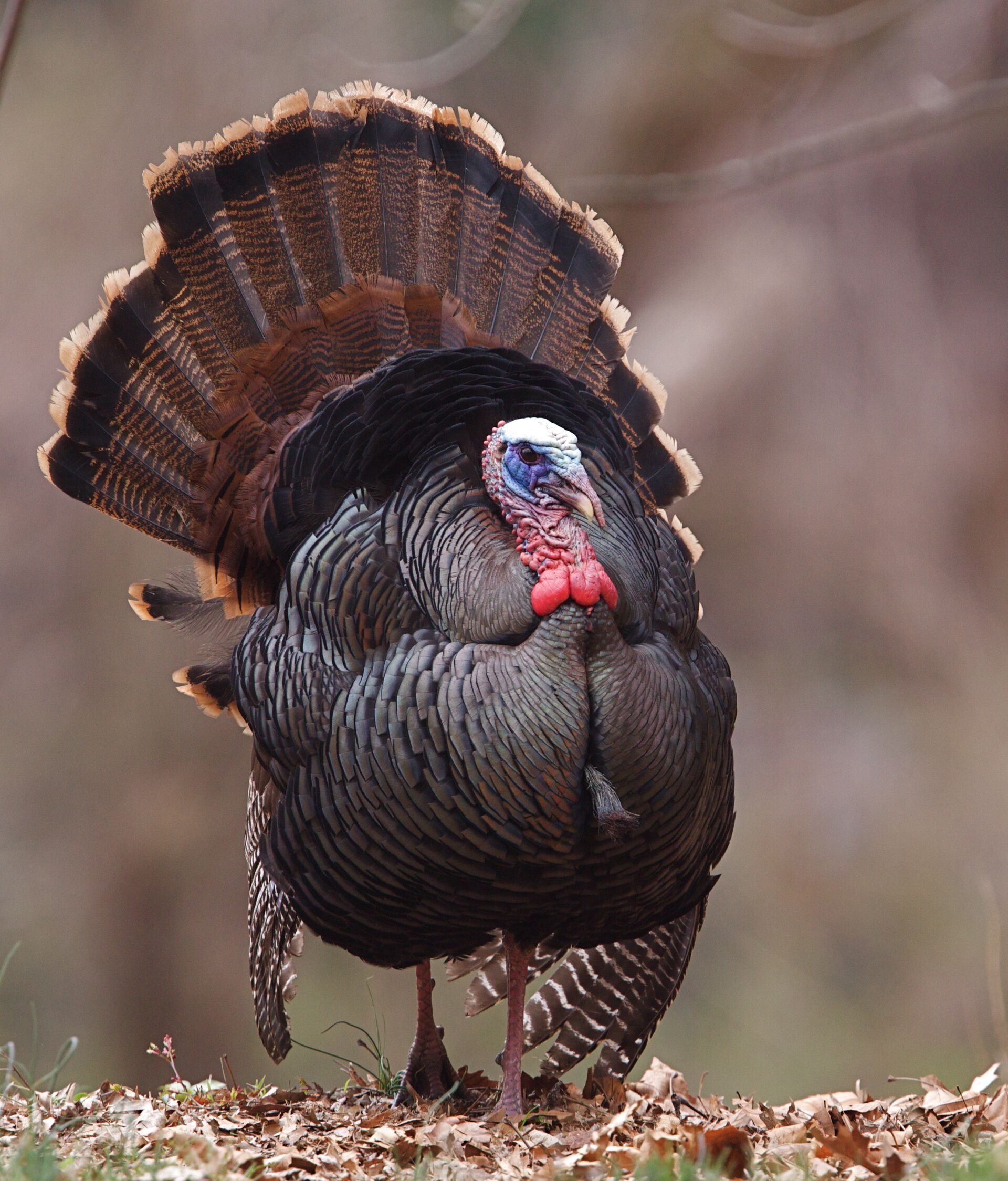
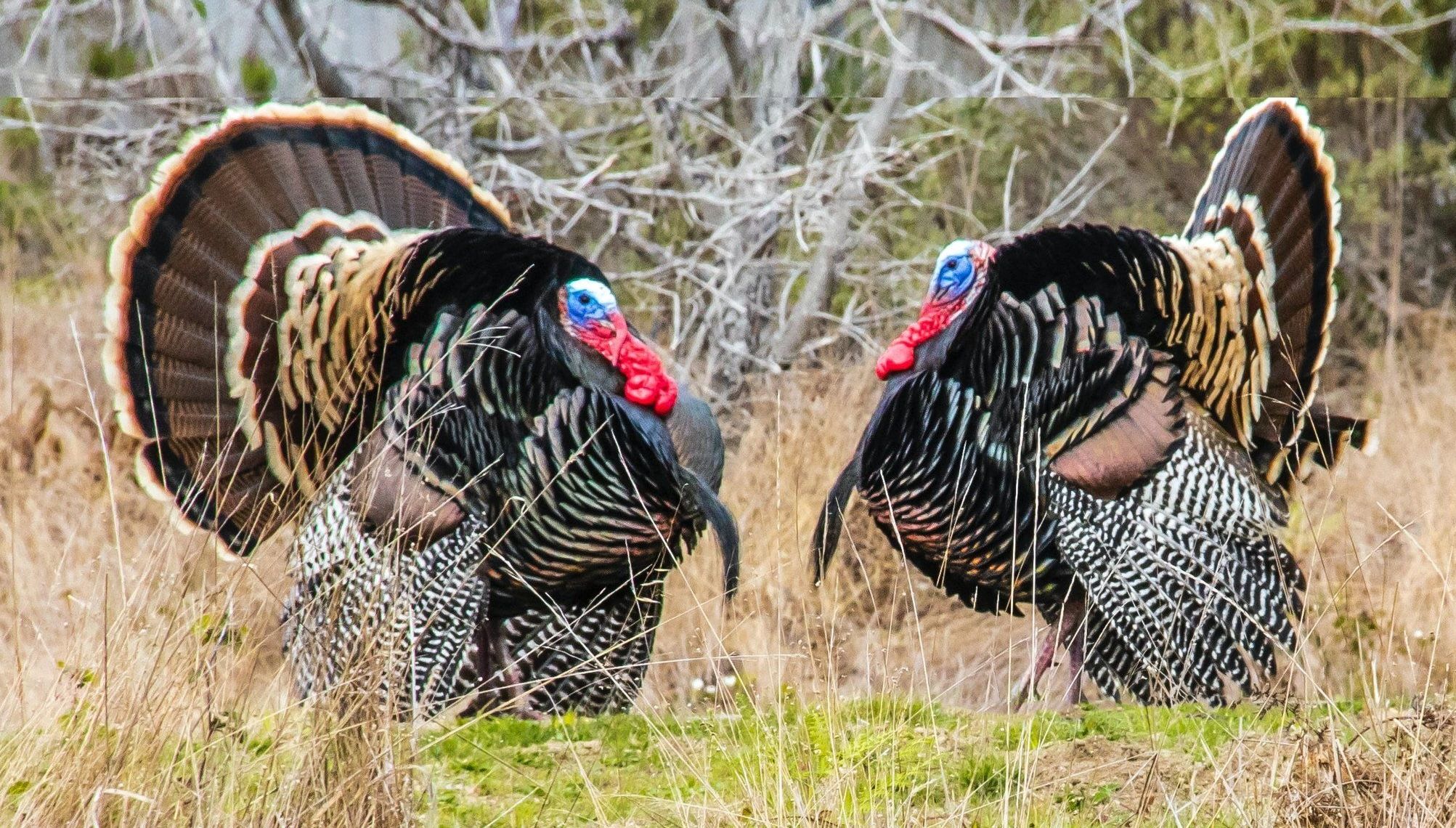
Rio Grande turkeys weigh less than the Eastern Wilds, with an average male weight of 20 pounds and eight to thirteen for females. They're most easily recognized by their dark tan or buff tail feathers matched with greenish-copper body feathers.
Habitat
Like most turkey subspecies, the Rio Grande turkey requires a range of habitats throughout its lifespan. In California, you'll find it around river valleys and riparian areas with good cover from brush and roosting trees from temperate forests.
Diet
Highly adaptable and opportunistic eaters, the Rio Grande turkey favors wild oats, seasonal grasses, and acorns. Finding where they feed can help you target a good spot to wait for them to look for food in the mornings after leaving the roost.
Habits
Gobblers attract a hen's attention by gobbling and strutting, and they are generally considered one of the louder and more vocal turkey subspecies. Their ranges and movement patterns can be seasonal, and they are known to form large, social flocks.
Due to the diversity of the California landscapes, it's essential to tailor your research and hunting plans to the environment you target and mark in your HuntWise app.
How To Improve Your Chances of Tagging a Turkey in California
Typically, California turkey hunting has a success rate of around 40%. Here are a few tips to help you reach that magic number.
Use Decoys Sparingly

Turkey decoys can be an exceptional strategy to lure in that big jake. Use the decoys early in the season and opt for hens.
If you're setting up several decoys, set up one hen and one jake or tom. If you're frustrated that they're not rolling in, remember patience pays off (most of the time).
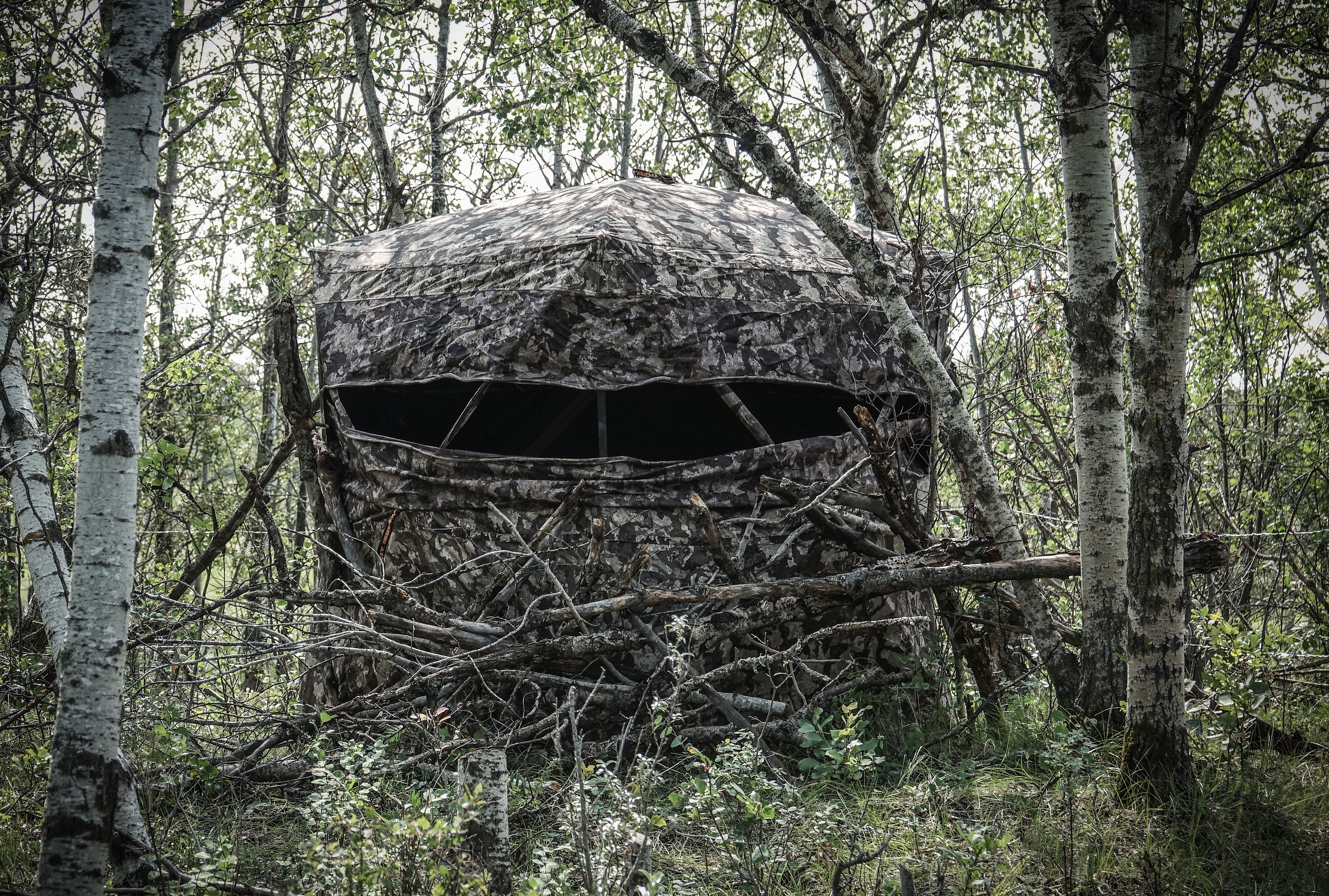
Use a Blind When Necessary
California turkeys are noted for their excellent eyesight and weariness of out-of-the-ordinary visuals. If using a hunting blind, match the pattern to the dense areas of mixed oak and pine woodlands, which are the areas of high turkey movement.
Go for native patterns and blend in local foliage. While blinds are not the first choice for Californian turkey hunters, they can make a great base in adverse weather conditions.
Use HuntWise to Scout Locations
Given the diversity of the California natural environment, mapping and preparation are invaluable.

The HuntWise mapping features allow you to mark fruitful terrain, watering holes, and potential roosting locations. Remember that proximity to water is essential for providing vegetation, food, and shelter for the turkeys you hunt.
Make California Turkey Season a Winner With HuntWise
The California terrain can be stunning but sometimes challenging. E-scouting is essential to understanding the landscape and the best preparation for a successful hunt.
Locking down valley lines with good coverage gives you the best chance to take home a prized tom. HuntWise will help you target the perfect combination for a turkey hotspot, whether public or private. You also have direct access to current landowner information (including phone numbers) through HuntWise. So, you don't have to miss out on a bird that crosses over a boundary line.
If you plan to hunt during California turkey season, don't leave home without HuntWise!
Download and try Pro and Elite features free for a week.

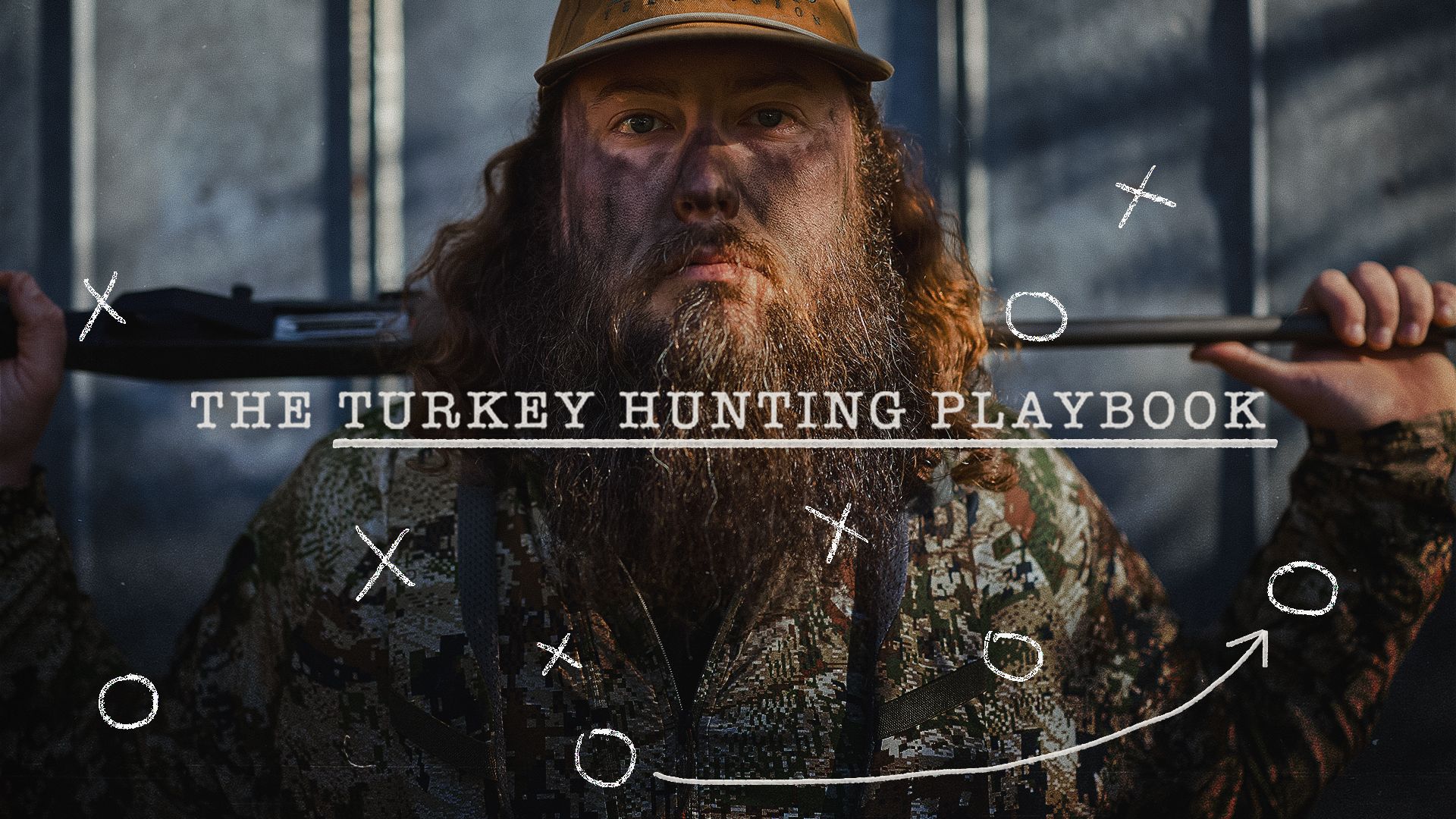
Elevate your turkey hunting game with our series "The Turkey Hunting Playbook" featuring Ben Cole of RootedTV! Get exclusive insights into gaining access to land, scouting and finding turkeys, getting your gear and shotgun ready for a hunt, and applying the right strategies to lure a bird into your sights, take your best shot, and bring home a bird.
Not a HuntWise Elite subscriber? Upgrade today! Check out the preview below.
Previous in Turkey
More Content Like This
When is Georgia Spring Turkey Season 2026?
The Georgia spring turkey season 2026 will run on staggered opening dates. The private land hunting season will run from March 28 to May 15, and the public hunting season will open a week later, running from April 4 to May 15. Youth and mobility-impa...Read More
Read More
Alabama Turkey Season 2026: Dates, Zones, and Regulations
Alabama turkey season 2026 runs from March through May, with dates varying by hunting zone and land type. For 2026, the spring season begins March 21 for youth hunts in Zones 1 & 3 and runs through May for all zones and hunters. Read More
Read More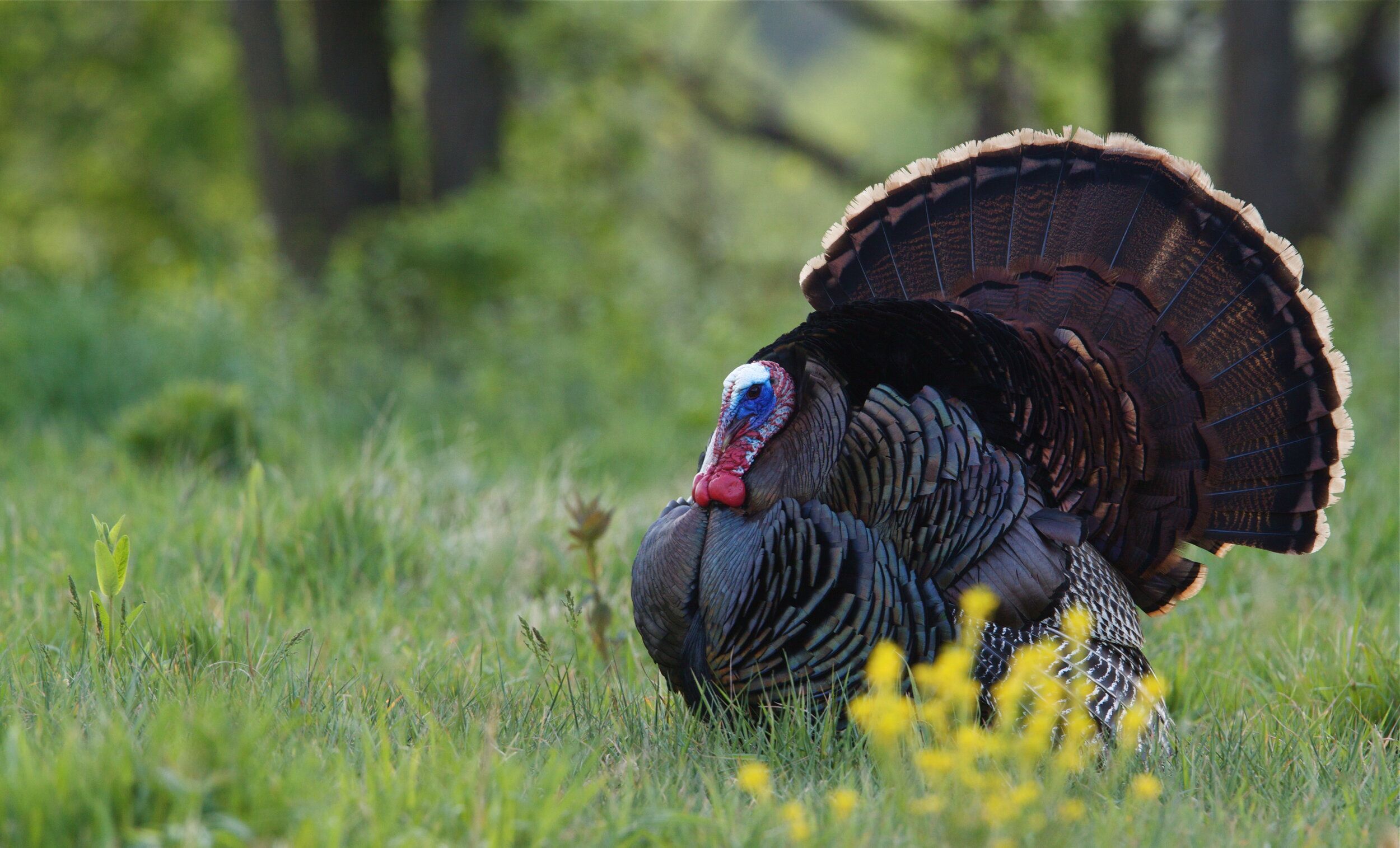
6 Turkey Calls for Successful Spring Turkey Hunts
When spring turkey season approaches, it’s time to dust off the old callers and practice your best yelps, clucks, cackles, and purrs. Experienced turkey hunters will tell you that push-button calls, locator calls, slate calls, box calls, diaphragm ca...Read More
Read More- Turkey
When is Georgia Spring Turkey Season 2026?
The Georgia spring turkey season 2026 will run on staggered opening dates. The private land hunting season will run from March 28 to May 15, and the public hunting season will open a week later, running from April 4 to May 15. Youth and mobility-impa...Read More
Read More - Turkey
Alabama Turkey Season 2026: Dates, Zones, and Regulations
Alabama turkey season 2026 runs from March through May, with dates varying by hunting zone and land type. For 2026, the spring season begins March 21 for youth hunts in Zones 1 & 3 and runs through May for all zones and hunters. Read More
Read More - Turkey
6 Turkey Calls for Successful Spring Turkey Hunts
When spring turkey season approaches, it’s time to dust off the old callers and practice your best yelps, clucks, cackles, and purrs. Experienced turkey hunters will tell you that push-button calls, locator calls, slate calls, box calls, diaphragm ca...Read More
Read More
1 of 3