Field Guide / Firearms
12-Gauge vs 20-Gauge for Turkey Hunting






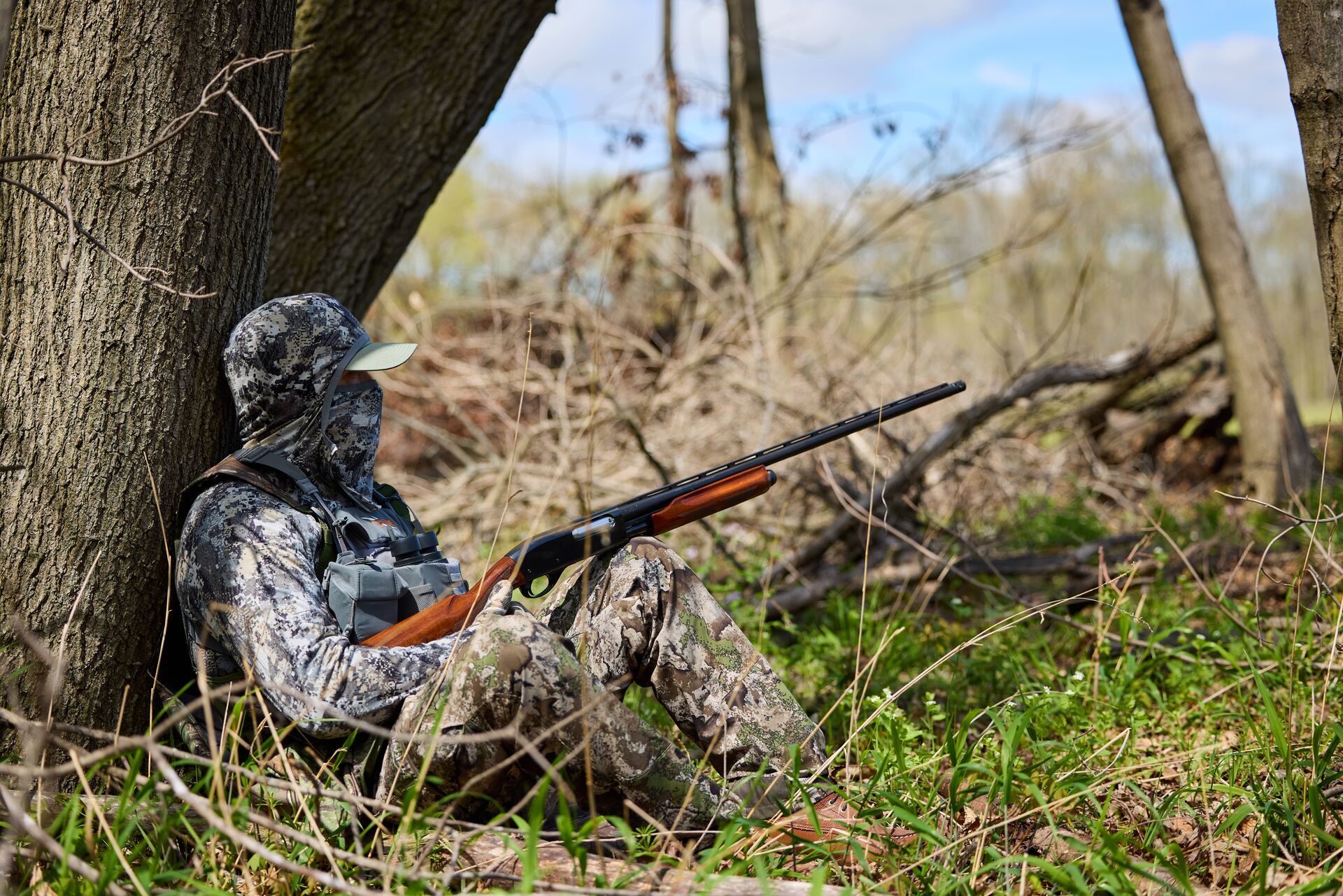
The 12-gauge is a go-to turkey-hunting shotgun, but with modern ammunition such as Tungsten Super Shot (TSS), the 20-gauge is fast becoming an option for hunting birds at greater distances.
Choosing a 12-gauge vs 20-gauge shotgun requires understanding your needs. Are you looking for a more powerful firearm, or do you prioritize easy mobility throughout your hunt?
Today, we'll cover both types of shotguns, including their range and pattern density, recoil and shootability, weight, and ammunition. I will cover as much info as possible about the two, but ultimately it'll be up to you to decide which shotgun is best for you.
 |  |
What to Consider When Choosing a Shotgun Gauge for Turkey Hunts
When choosing a turkey-hunting shotgun, consider your shooting range, 12 gauge vs 20 gauge recoil, the realities of carrying your gun, and the cost of keeping it loaded. Here's a closer look at some of the key points to keep in mind.
1. Range and Pattern Density
The 12-gauge offers more pellets than the 20-gauge: the shell is just longer and wider. Because of this, the 12-gauge provides more pellets downrange and greater effectiveness at longer ranges. When exploring the best turkey choke for 12 gauge, consider patterning possibilities in a field or open woods.
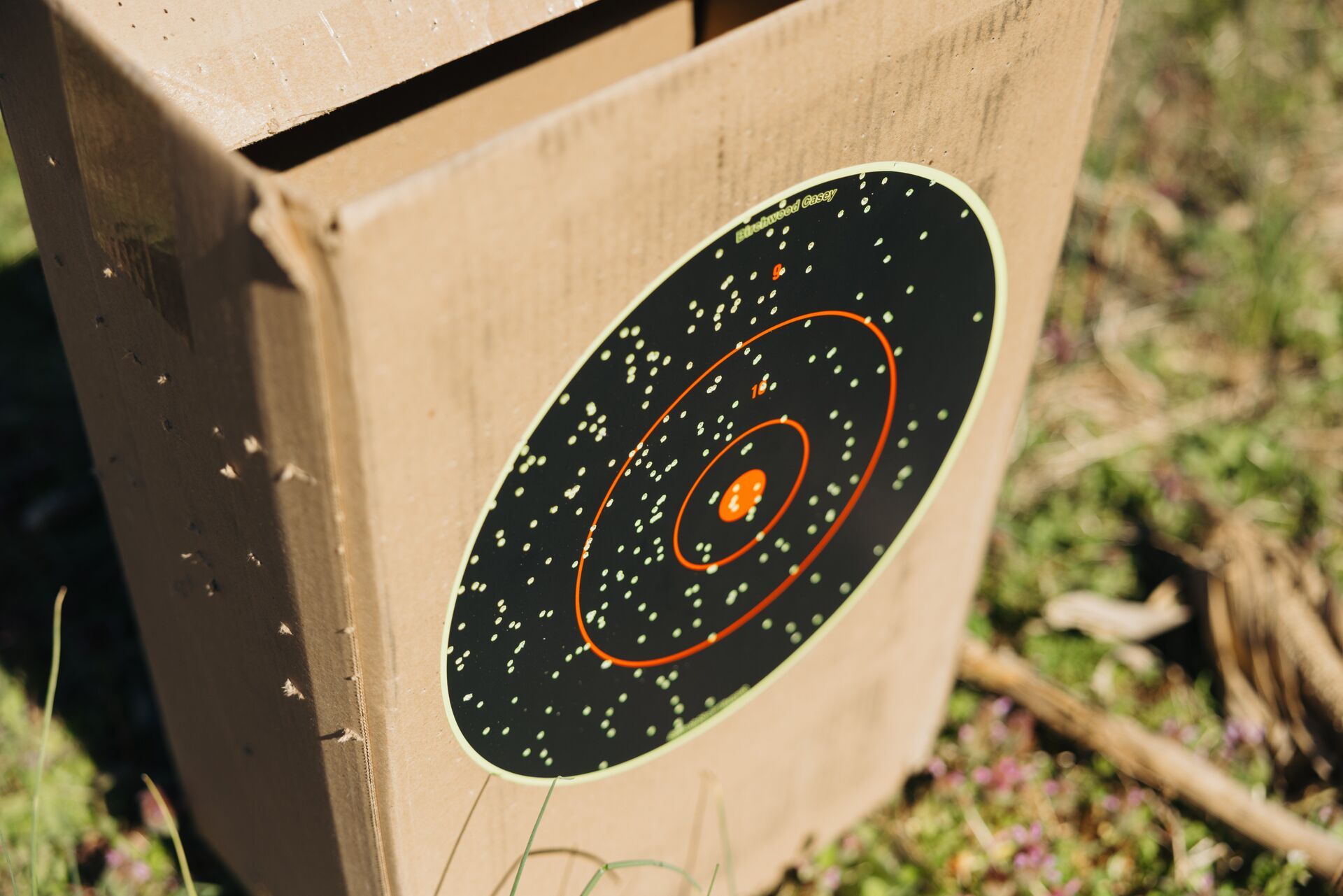
Most people consider the 20-gauge a short-range option. It has a smaller shell size with fewer pellets—but with new TSS shells, the 20-gauge has come a long way in recent years. Your best turkey choke for a 20-gauge will help you hunt at closer distances.
Several of my friends say they have successfully harvested birds at distances of 65 yards or more with a 20-gauge and TSS. However, budget-conscious hunters may want to steer clear of TSS shells; I've gritted my teeth a little when purchasing two boxes.
2. Recoil and Shootability
A 20-gauge has significantly less recoil than a 12-gauge. That translates to better accuracy and confidence in your shot. Most people can maintain their patterning while practicing with the 20-gauge.
A 12-gauge loaded with a 3.5-inch shell will make any hunter notice its recoil. When I was younger, maybe 12, my grandfather loaded a 3.5-inch shell into his 12-gauge when I asked him if I could shoot it. The recoil hurt my shoulder, blew me off the five-gallon bucket that I was sitting on, and made me afraid to shoot another 12-gauge for years.
3. Gun Weight and Mobility
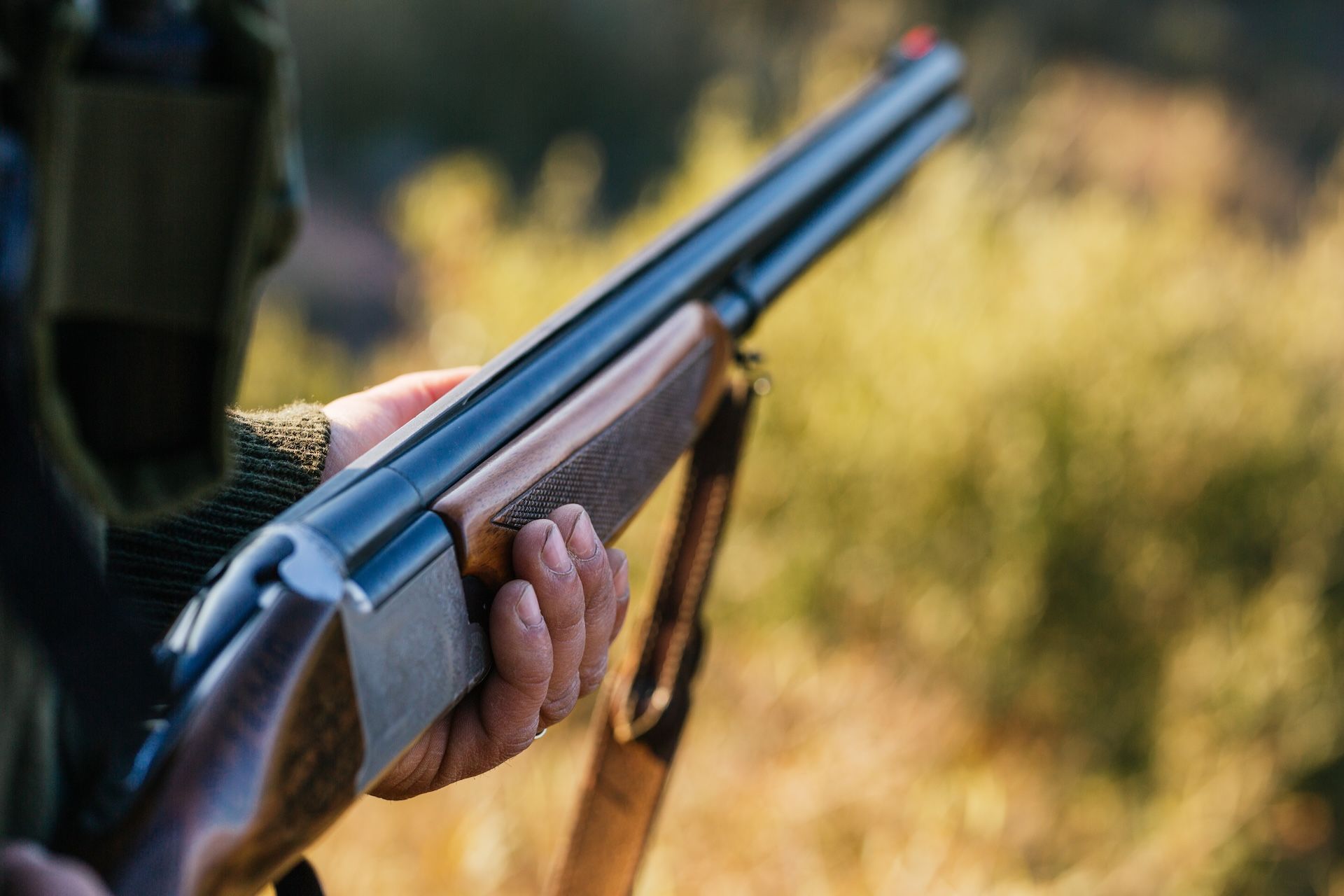
The 12-gauge often has a heavier platform and a longer overall length. When I've forgotten my sling while carrying my 12-gauge, I've often wished I were holding my 20-gauge instead. The 12-gauge's longer frame also makes moving through thick cover more difficult.
The 20-gauge is an excellent choice for long hikes and run-and-gun turkey hunting. Shouldering a 20-gauge creates less movement, which is ideal for thicker, tighter cover.
In some instances, you'll have to crawl. A 20-gauge lays tighter against your back when shouldered and is less likely to snag on brush. If you prefer to hold it while crawling, it's much easier to control and maneuver around obstacles.
4. Ammunition Options and Cost
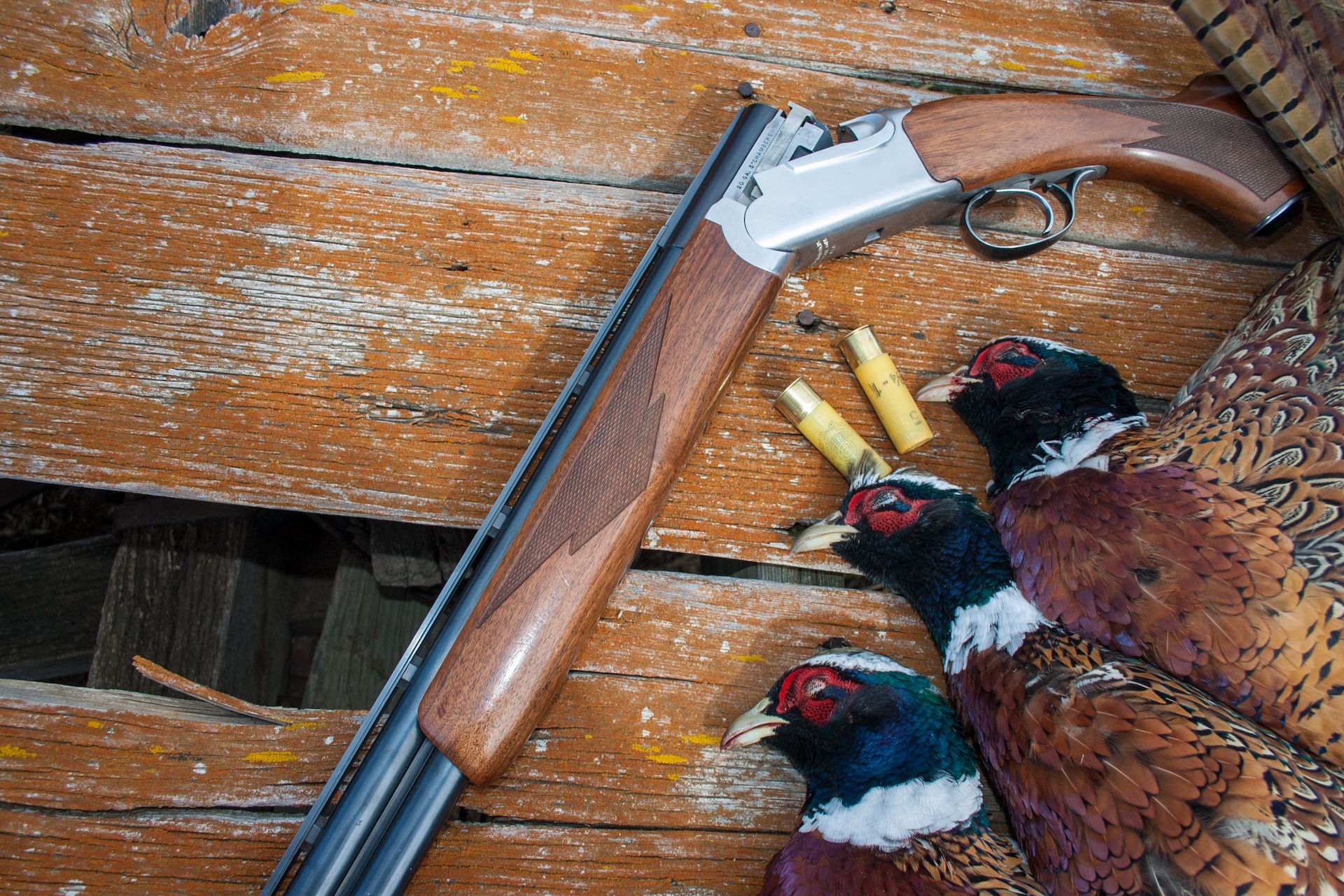
When it comes to availability and cost of ammunition, the 12-gauge shotgun wins hands down. It's a very capable firearm for hunting a wide array of game animals. The 20-gauge is highly capable, but the 12-gauge offers more ammunition options, because it's an industry standard when compared to other shotgun calibers.
The 20-gauge loaded with TSS shells is a heavy hitter in the turkey woods, but it's also a heavy hitter to your wallet. I killed both of my Kentucky turkeys last season with a 20-gauge loaded with TSS shells. The shot was only about 30 yards away, and the knockdown power reminded me of my 12-gauge.
I don't have too much experience with TSS shells, and I haven't shot them through a 12-gauge. TSS shells are available for the 12- and 20-gauge along with the .410 shotgun.
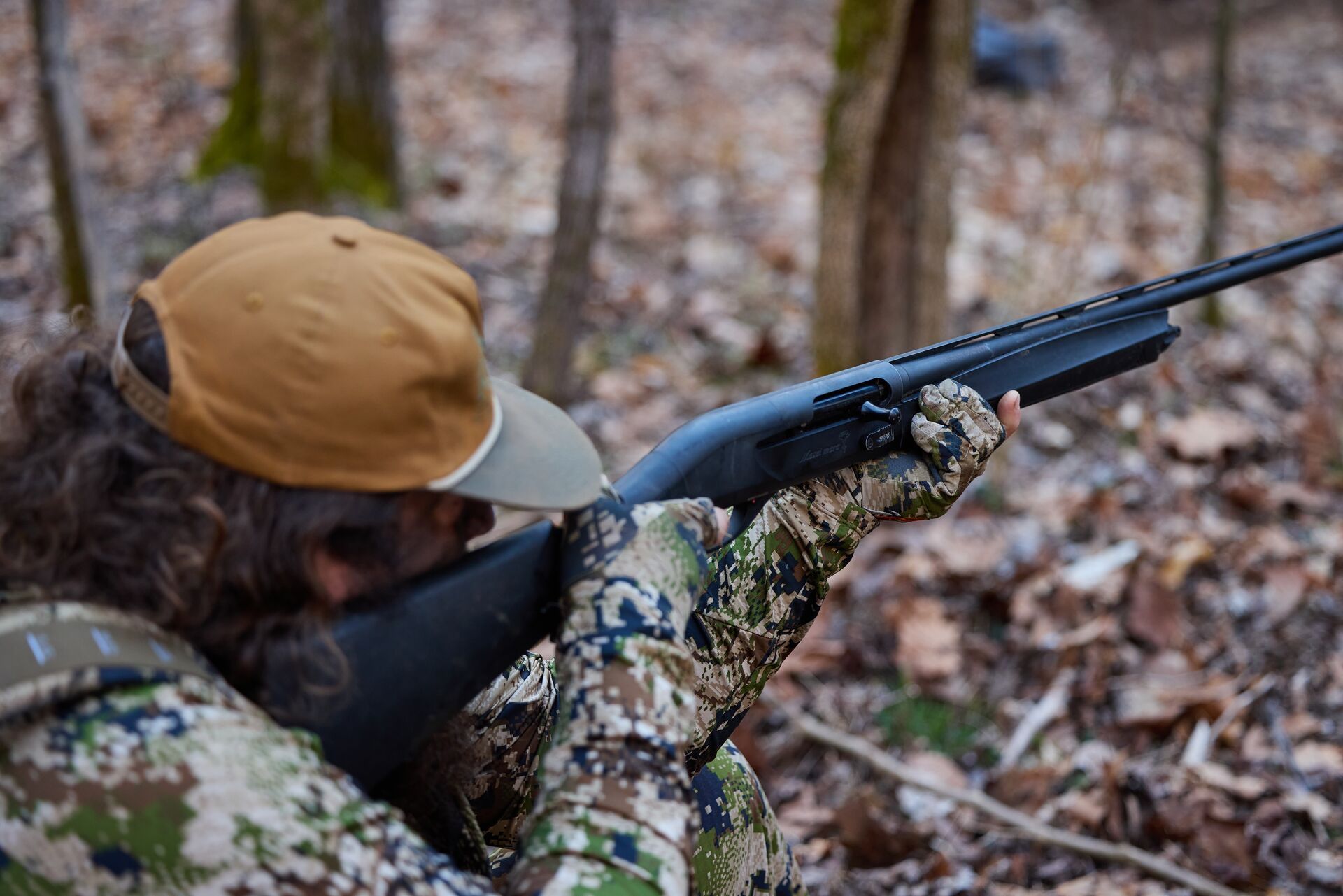
12-Gauge vs 20-Gauge: | ||
12-Gauge | 20-Gauge | |
| Effective Range | 40–50+ yards | 40–50+ yards (with TSS) |
| Pattern Density | Higher pellet count | Excellent with TSS |
| Recoil | 44–65 ft-lbs | 24–59 ft-lbs |
| Gun Weight | Heavier | Lighter |
| Ammo Cost | Generally cheaper | TSS is expensive |
 | ||
Comparing the 12-Gauge vs 20-Gauge
How does the 12-gauge compare to the 20-gauge? Here's a quick look at rangers, pattern density, recoil and more to sum up the information above.
Who Should Choose the 12 Gauge?
Hunters who want to achieve maximum range with greater knockdown power should consider the 12-gauge. This shotgun is ideal for those seeking a more consistent, dense pattern at longer range and who prefer greater versatility for multiple game species.
When it comes to choosing a 12-gauge vs 20-gauge, I prefer the 12-gauge. I own a Remington 870 12-gauge pump, a Remington 1100
12-gauge semi-auto, a Mossberg 535 12-gauge pump duck gun, and a New England Firearms Pardner pump 20-gauge.
I've harvested many birds with the 12-gauge shotguns I own, but the Mossberg has claimed the most. My furthest shot ever ended with a turkey harvested at 90 yards—not the ideal distance, but I was using Winchester Long Beard XR 3.5 shells. I have harvested birds with that gun and shell combination at 70 and 75 yards multiple times.
My Mossberg 12-gauge has been excellent in fields and large wooded areas. It holds an extremely tight pattern at closer distances, which is why I prefer it in a more open environment.
Who Should Choose the 20 Gauge?
Some people aren't comfortable with shooting a firearm because they are aware that its high recoil can cause them to flinch or be afraid. If that type of person is you, then the 20-gauge would be your best bet.
The 20-gauge is a convenient sub-gauge option best for hunters who seek a lighter gun, recoil-sensitive shooters, those who prefer thick cover, and those willing to pay the price for TSS shells.
I have grown more attached to my 20-gauge in recent years. It may not shoot as far as my 12-gauge, but I'm willing to trade that distance for the overall usability of the 20-gauge.
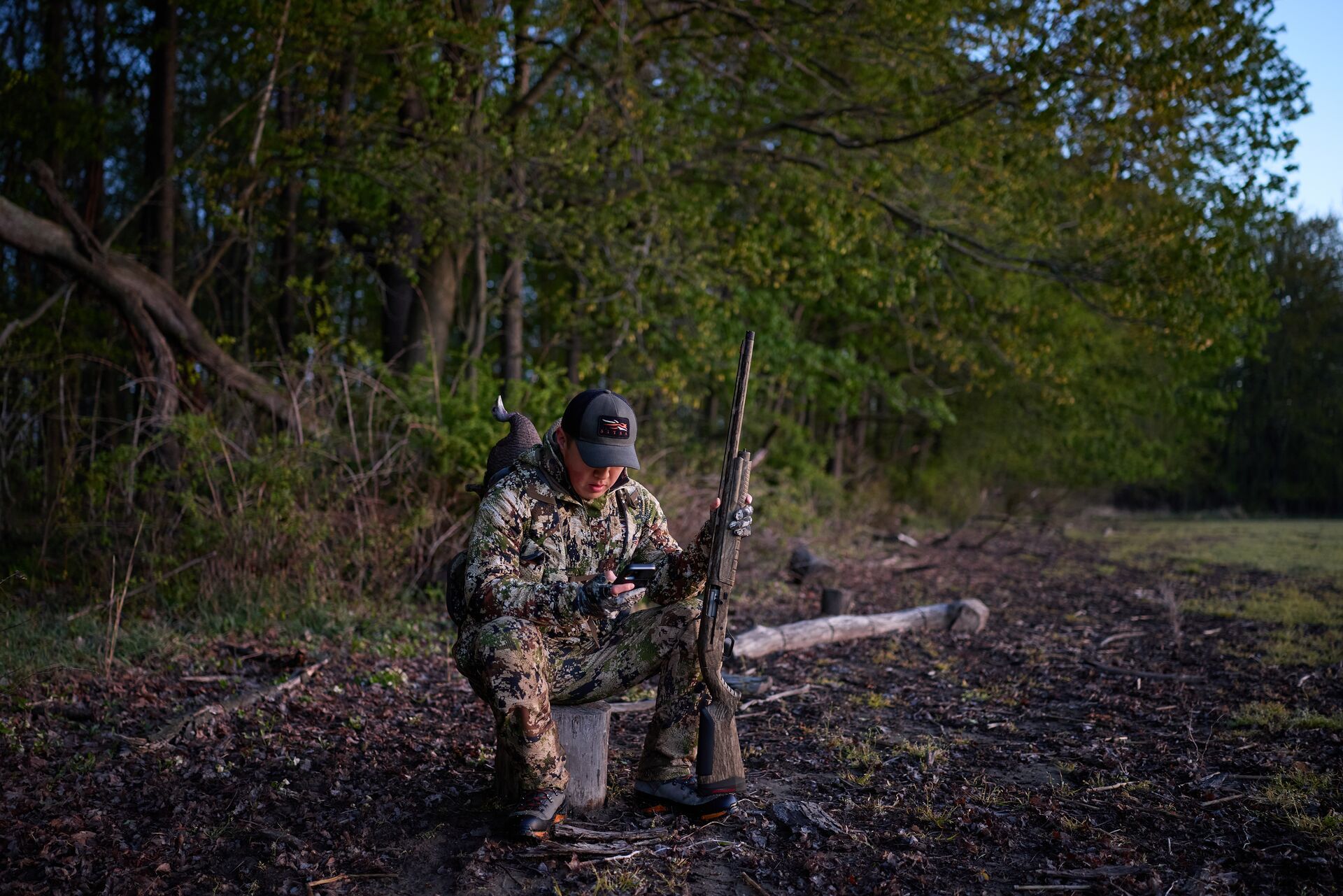
Use HuntWise and a Good Shotgun for Better Turkey Hunts
When it comes to choosing a 12-gauge vs 20-gauge shotgun, it's a matter of personal preference. The 12-gauge is great for range and power, though the 20-gauge is a solid option for hunters looking for a lighter shotgun with less recoil.
Once you've selected a shotgun, it's time to find some turkeys. While your shotgun will help you take down a bird, it can't help you locate turkeys to hunt! That's where a hunting app comes in.
HuntWise has helped me track past hunting experiences and successes, plan hunts, and review where I've been and where I might need to visit next. The HuntWise mapping features have also helped me save time when preseason scouting. Before you put boots on the ground, see what HuntWise and the right shotgun can do for you this turkey hunting season.
Download HuntWise and try Pro and Elite features free during your first week in the app! Use it to scout and plan your turkey hunt.

Previous in Firearms
More Content Like This
4 Efficient and Economical Rifles to Consider for Your Next Hunt
It's no secret that hunting might be one of the most exhilarating yet expensive lifestyles. From purchasing a new tree stand to being geared up with clothing that will keep you warm, it seems that there is always something we hunters and huntresses a...Read More
Read More
What to Know About Lever Action v Bolt Action Rifles
I absolutely love hunting, which probably seems obvious if I'm writing a blog for HuntWise, but it truly is one of the great passions of my life. The adventure, challenge, scenery, and solitude all speak to me on a very deep level. Read More
Read More
How to Hunt With a Muzzleloader
I'm a big advocate for practicing different hunting methods. It's a great way to become a well-rounded hunter by practicing various aspects of bushcraft, preparation, and firearms usage. It also helps extend your season with options to hunt during le...Read More
Read More- Firearms
4 Efficient and Economical Rifles to Consider for Your Next Hunt
It's no secret that hunting might be one of the most exhilarating yet expensive lifestyles. From purchasing a new tree stand to being geared up with clothing that will keep you warm, it seems that there is always something we hunters and huntresses a...Read More
Read More - Firearms
What to Know About Lever Action v Bolt Action Rifles
I absolutely love hunting, which probably seems obvious if I'm writing a blog for HuntWise, but it truly is one of the great passions of my life. The adventure, challenge, scenery, and solitude all speak to me on a very deep level. Read More
Read More - Firearms
How to Hunt With a Muzzleloader
I'm a big advocate for practicing different hunting methods. It's a great way to become a well-rounded hunter by practicing various aspects of bushcraft, preparation, and firearms usage. It also helps extend your season with options to hunt during le...Read More
Read More
1 of 3