Field Guide / Turkey
Florida Turkey Season 2026: Dates, Zones, & Bag Limits
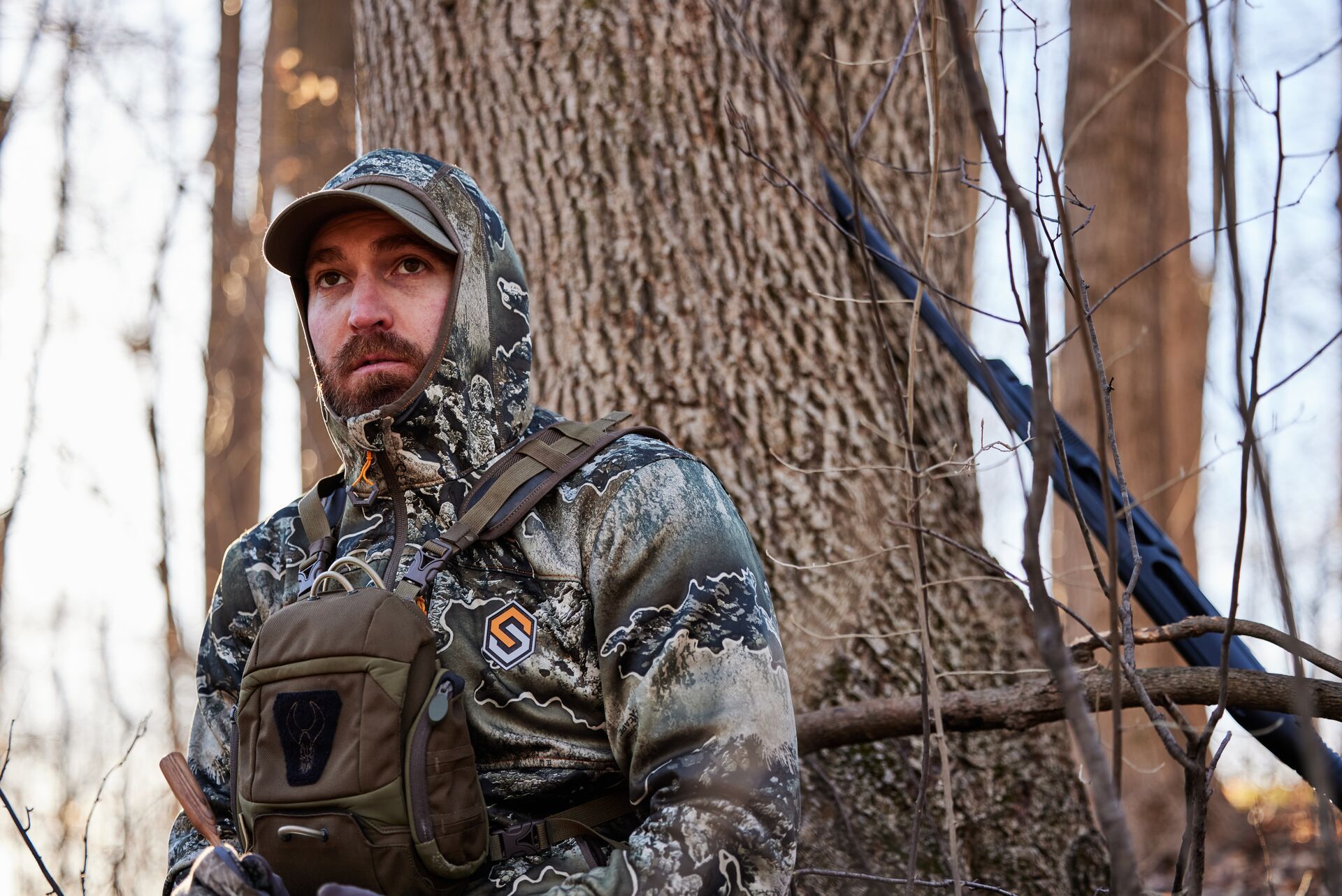





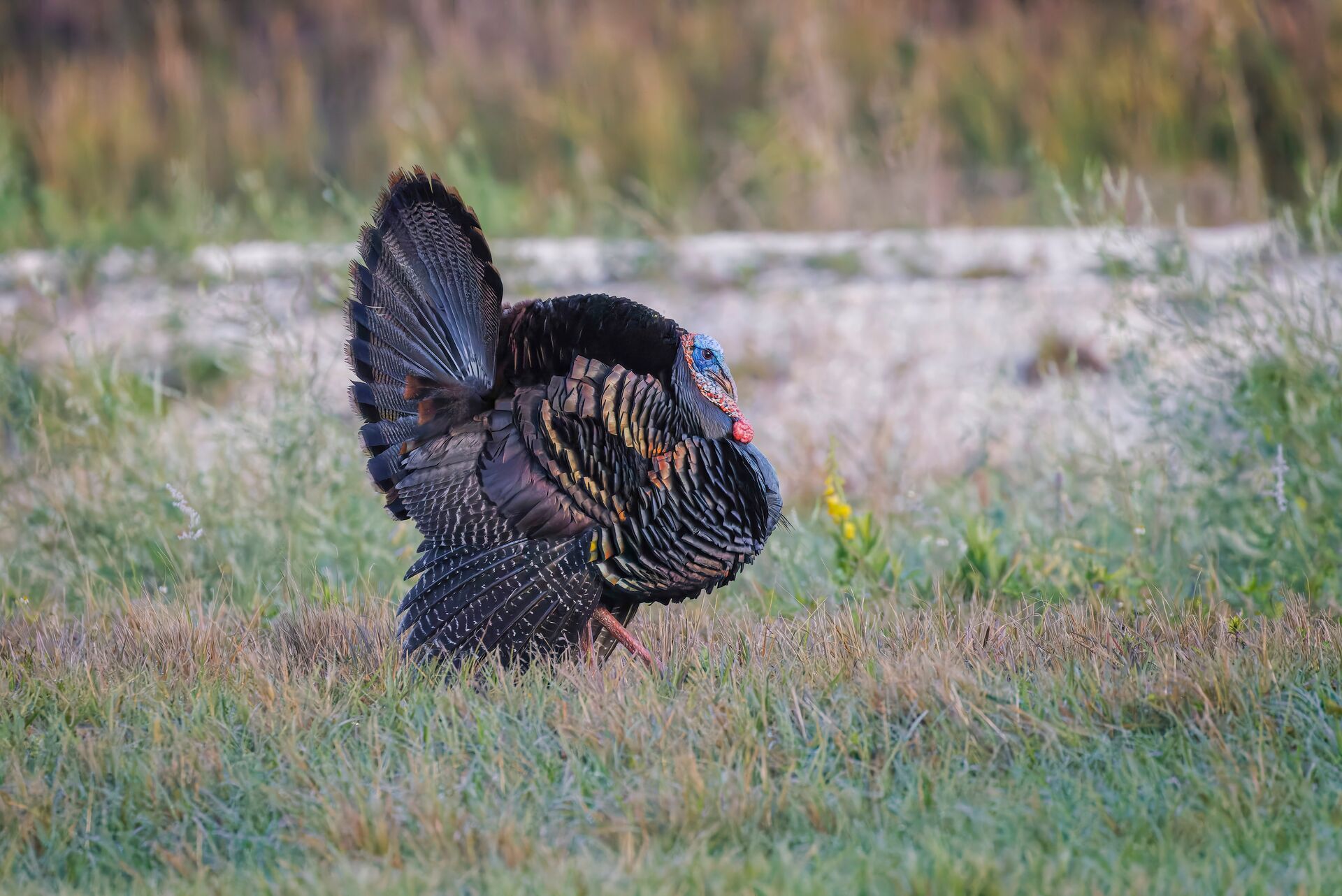
Florida's 2026 spring turkey season begins March 7 (South of SR 70) and March 21 (North of SR 70), offering opportunities to hunt Osceola and Eastern wild turkeys. The season includes a 2-bird bag limit, expanded 4-day youth hunts in late February/March, and new non-resident restrictions on certain public lands.
The Florida turkey season draws hunters from far and wide to complete their slam (a recognized harvesting of a set of turkey subspecies) due to one special bird found only in Florida: the Osceola turkey.
Nestled in the remote Florida timberland, the Osceola is notorious for its elusive and cautious nature. It is one of the hardest birds to spot, let alone hunt. Luckily, you'll find Eastern wilds there, too, and with a warmer climate and 6 million acres of public land to hunt, Florida is, rightfully so, a turkey hot spot.
Whether you're completing your slam or want to hunt birds in a unique environment, here's everything you need to know about the Florida turkey season.
Updated May 19, 2026
When Does the 2026 Turkey Season Start in Florida?
The Florida turkey season is open to hunters in the spring and Fall. Check out the different season dates and cutoffs below based on the latest season information from the Florida Fish and Wildlide Conservation Commission.
Spring 2026
The Spring turkey season is divided geographically into a youth and general season, using State Road 70 as the divisive indicator.
Spring 2026 Florida Turkey Season | |
North of State Road 70
| South of State Road 70
|
Fall 2026–2027
The Fall season is divided into several hunting zones, each further distinguished by firearm type.
Fall 2026 Florida Turkey Season | |
Zone AArchery: August 1 – 30, 2026 | Zone BArchery: October 17 – November 15, 2026 |
Zone CArchery: September 19 – October 18, 2026 | Zone DArchery: October 24 – November 25, 2026 |
Bag Limits, Legal Birds, and Licensing
The daily and season limit for birds is two, including the fall season combined.
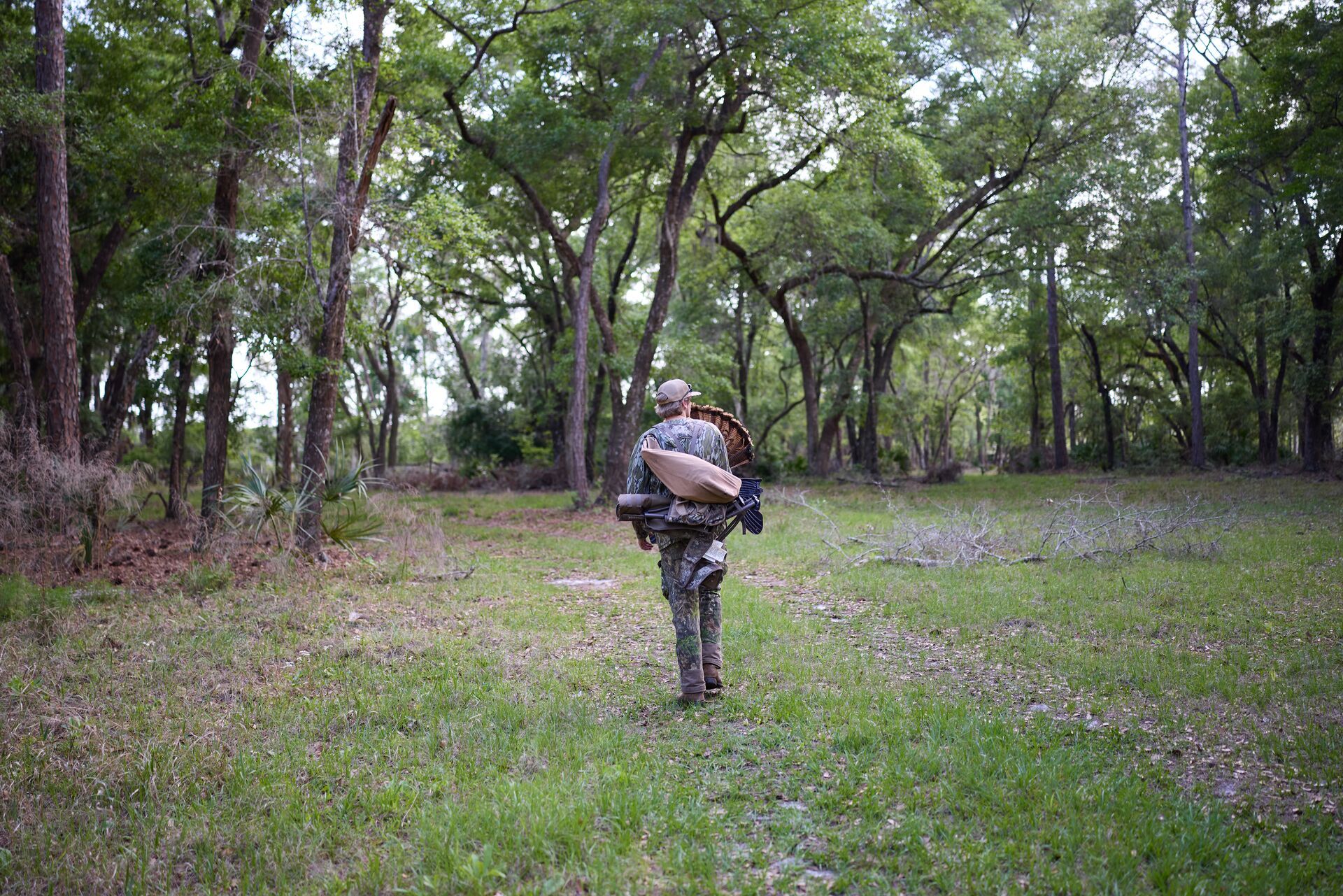
To hunt in Florida, you must have both a Florida hunting license and a turkey permit. You'll also require a management area permit if you're hunting in a wildlife management area (WMA).
It's important to note that hunters born on or after June 1, 1975, and 16 years old must pass a hunter safety course before purchasing a license. This course is designed to equip you with the necessary knowledge and skills to ensure your safety and the safety of others during your hunting activities.
Before heading out for your hunt, check the specific guidelines regarding your intended hunting zone. These regulations may be subject to change, especially in WMAs.
How to Plan Your Florida Turkey Hunt
With season dates in mind, it's time to start planning. The best hunts are a result of excellent preparation!
| How to Plan a Turkey Hunt in Florida: |
|
How to Bring Home the Osceola This Season
The draw of the Osceola and the allure of the turkey slam mean that Florida can experience significant hunting pressure. To bag out on this elusive bird, you'll need a watertight strategy and to push further than other hunters may be less willing to go.
Use Decoys and Calls
Using turkey decoys and calls can be a strong option, especially in mixed environments of wooded and open zones where turkeys are likely to pass through.
Due to this, using a decoy, such as a simple hen, can provide a visual draw for the birds in an otherwise open landscape, and a combination of calls used sparingly will yield the most outstanding results.
Set up a Natural Blind
Blind hunting can be an effective strategy in Florida if the camouflage matches your intended landscape effectively.
When choosing a blind, determine whether you're targeting oak forests, pine forests, or wetlands, and keep it as natural as possible. Osceola, especially in groups, are easily spooked.
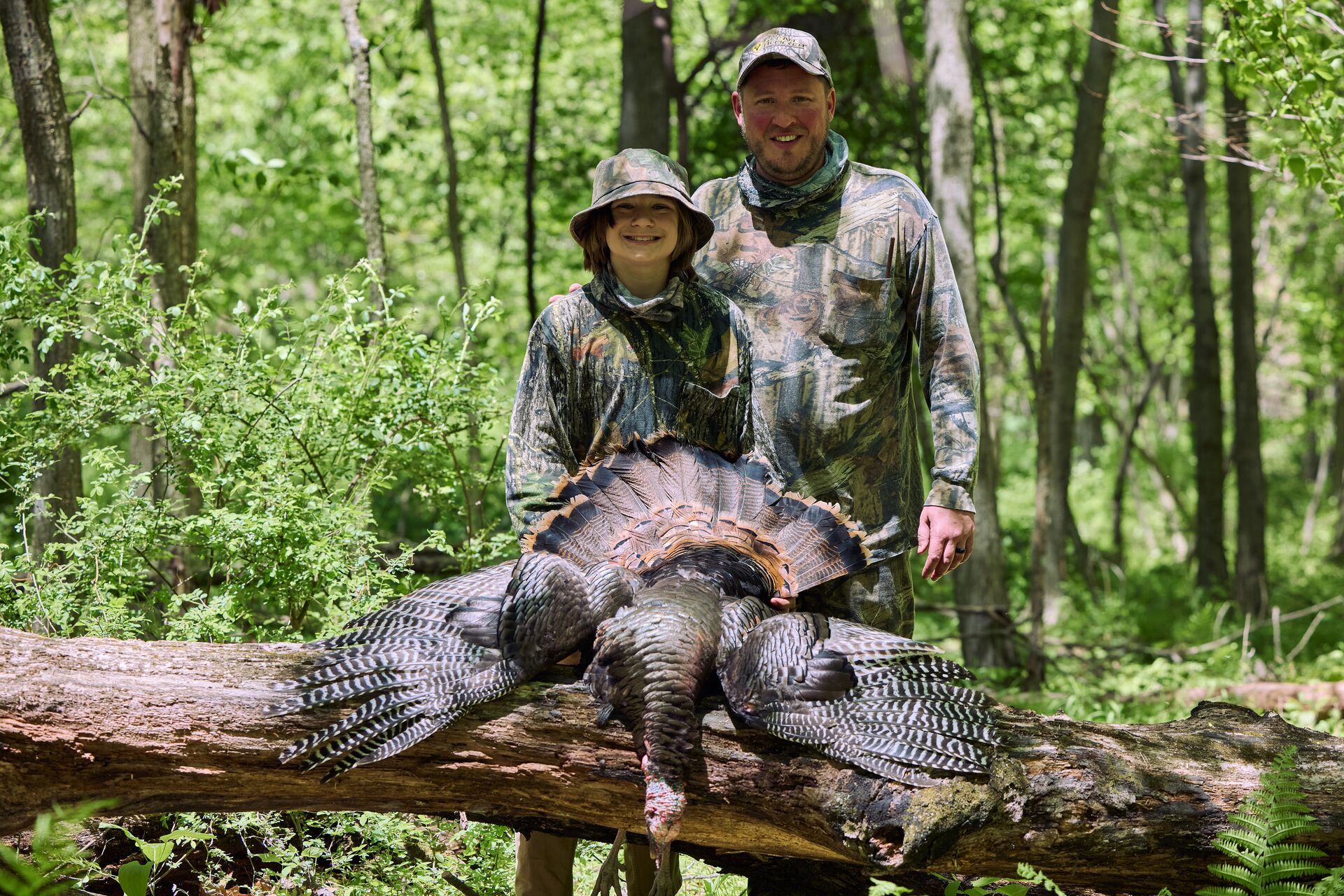
About Florida's Osceola Turkey
Let's explore the Osceola and its fascinating geographic distribution. The Osceola species is predominantly found in the Central and Southern parts of Florida, while the Eastern turkeys are more commonly spotted further up North.
The Osceola is the major drawcard to Florida's turkey hunting season. It is found only in peninsular Florida. Here are critical insights to help plan and understand the bird.
Appearance
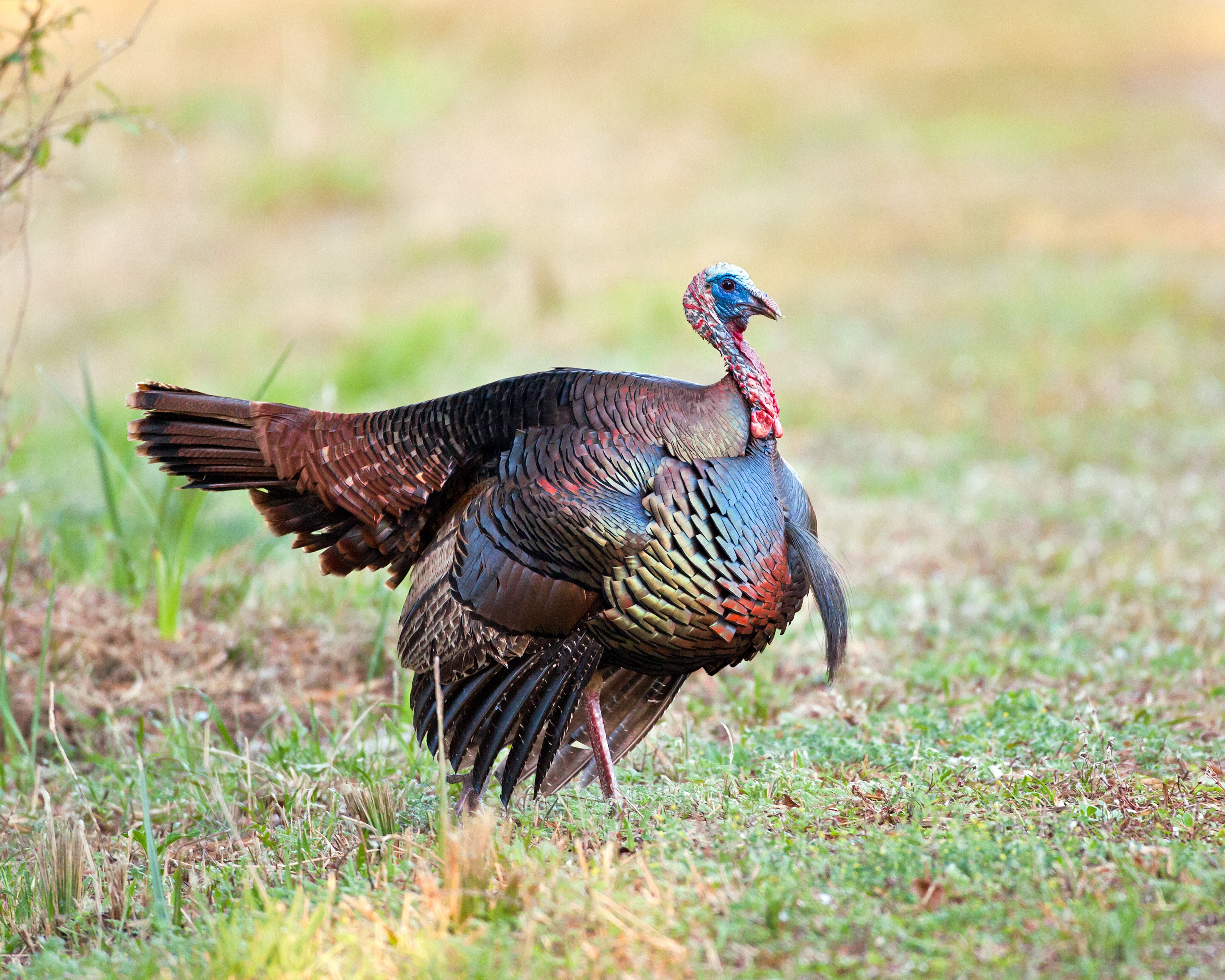
Strikingly similar to Easterns in appearance, some distinctive features help informed hunters pick up on the nuance and differentiate between the two.
The Osceola are darker than Easterns, with black wings and distinctive small white bands. They're smaller in size, with males up to 20 pounds, and are leaner birds with long spurs and legs.
Habitat
Osceola turkeys, known for their adaptability, are often found on the edges of waterways such as swamps, ponds, and creeks. They prefer to roost in boggy zones, typically nesting in cypress trees that follow these waterways.
Interestingly, their habitat can change significantly depending on the season. They'll move into grasslands and pastures when searching for food, including insects for foraging.
Diet
These birds chow down on a relatively typical omnivorous diet standard for all turkey subspecies. This includes seeds, fruits, leaves, acorns, insects, and small reptiles, with blackberries a favorite.
Habits
The Osceola breeding season runs from January to May in southern Florida. At the beginning of the breeding season, males start gobbling and strutting for females, and the Osceola is known to be an especially loud gobbler.
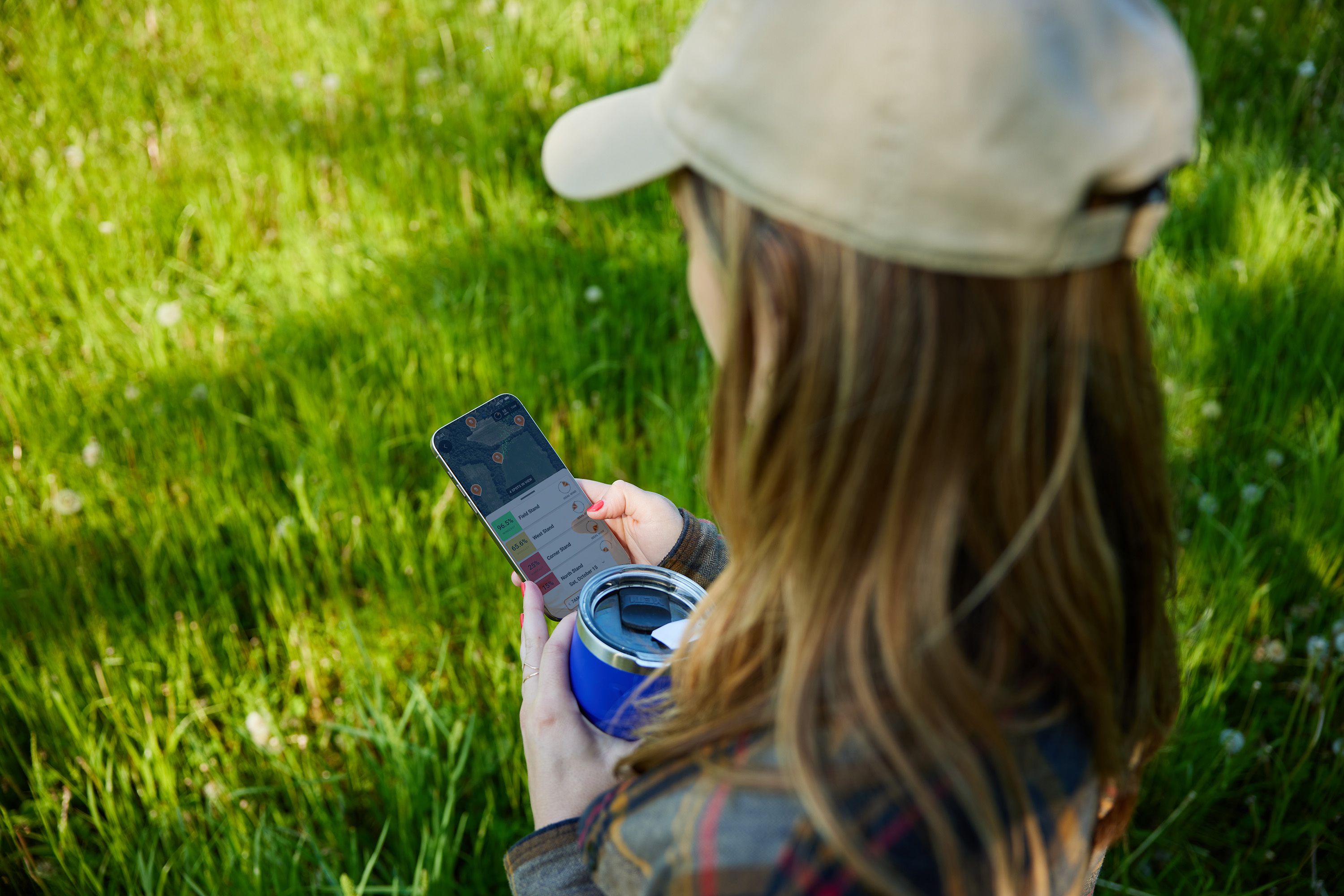
Use the HuntWise App to Scout Land for a Better Florida Turkey Season
Success in hunting Osceola turkeys depends on locating low-pressure hunting zones. This means scouting away from main roads and car parks and, if possible, across multiple bodies of water where fewer hunters are likely to traverse these landscapes.
With HuntWise, mapping layers and a 3D view help paint a picture of Florida's deep forest landscape, allowing you to target high-potential zones.
Make your turkey season a success!
Download HuntWise and explore Pro and Elite features free for a week.

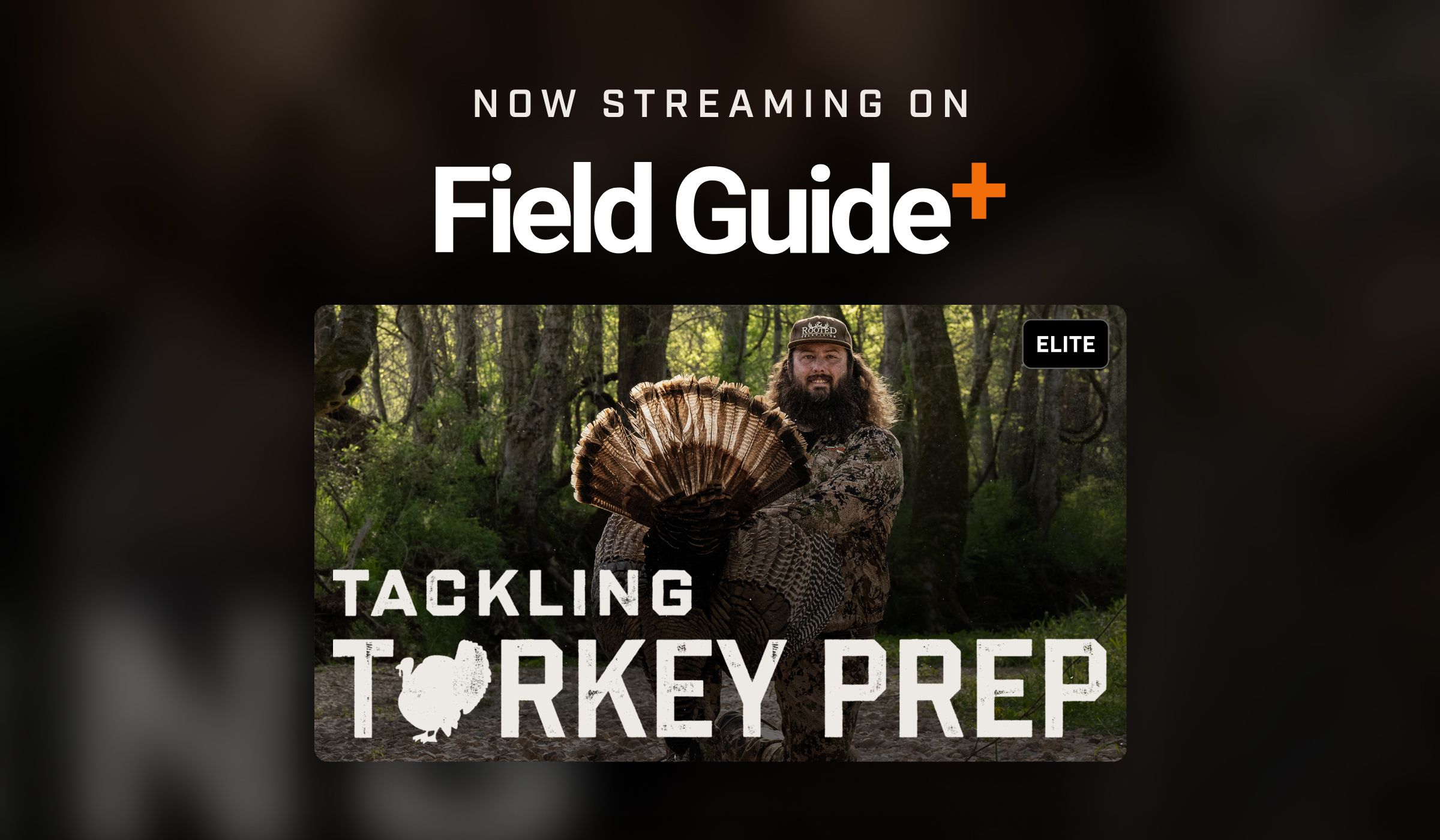
Get ready for your Florida turkey hunt with insights from pro hunter Ben Cole of RootedTV! Our exclusive Field Guide+ video series features his insights into how turkeys think, the ideal weapon for bringing home a bird, calling tips and tricks, and more.
Check out the preview below, then start watching the series now as a HuntWise Elite subscriber!
Previous in Turkey
More Content Like This
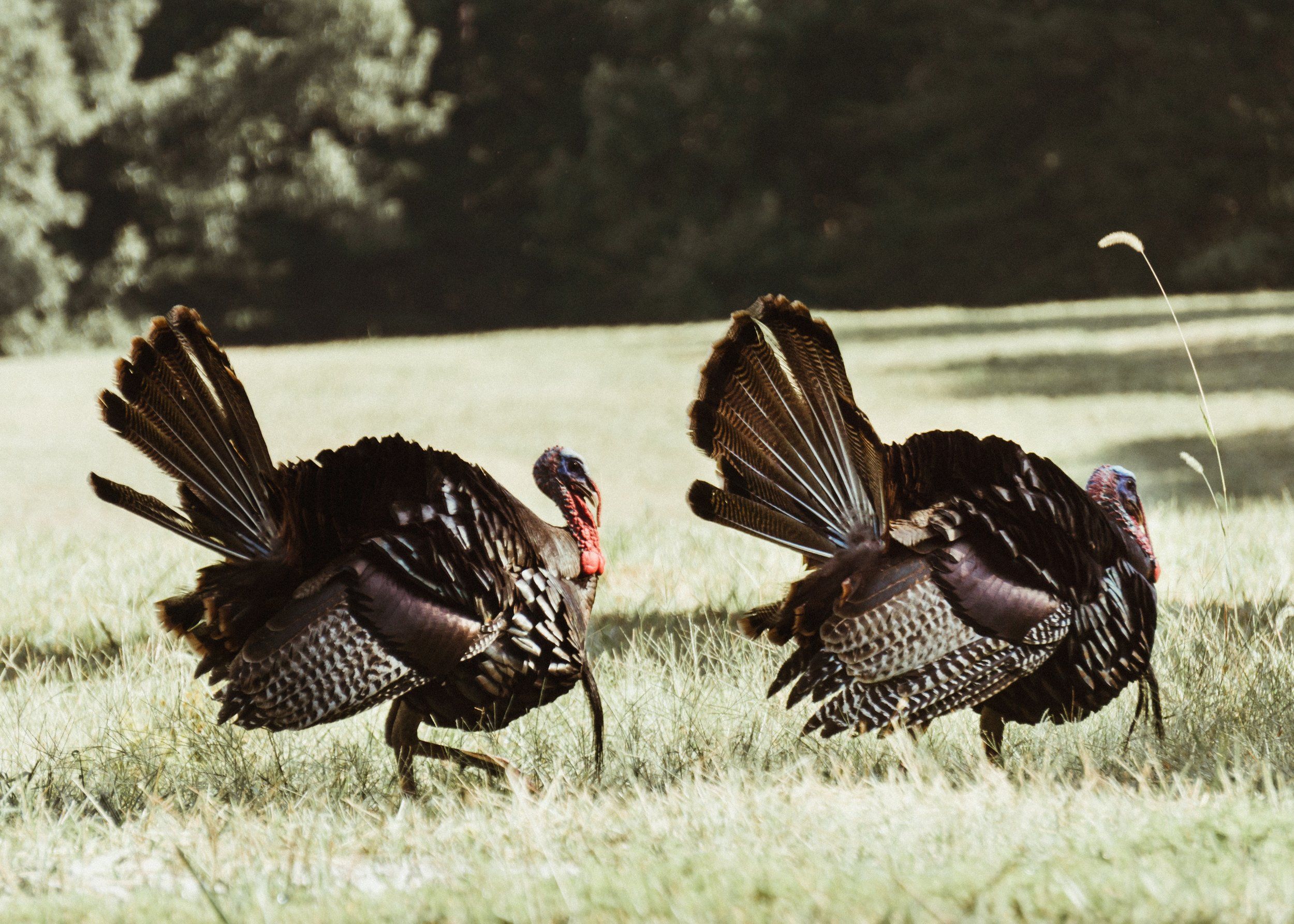
The Best Times to Hunt Turkey (2026)
Most experienced hunters will tell you that early morning is the best time for spring turkey hunting. You can also have good success hunting midday and in the late afternoon, just before sunset. Read More
Read More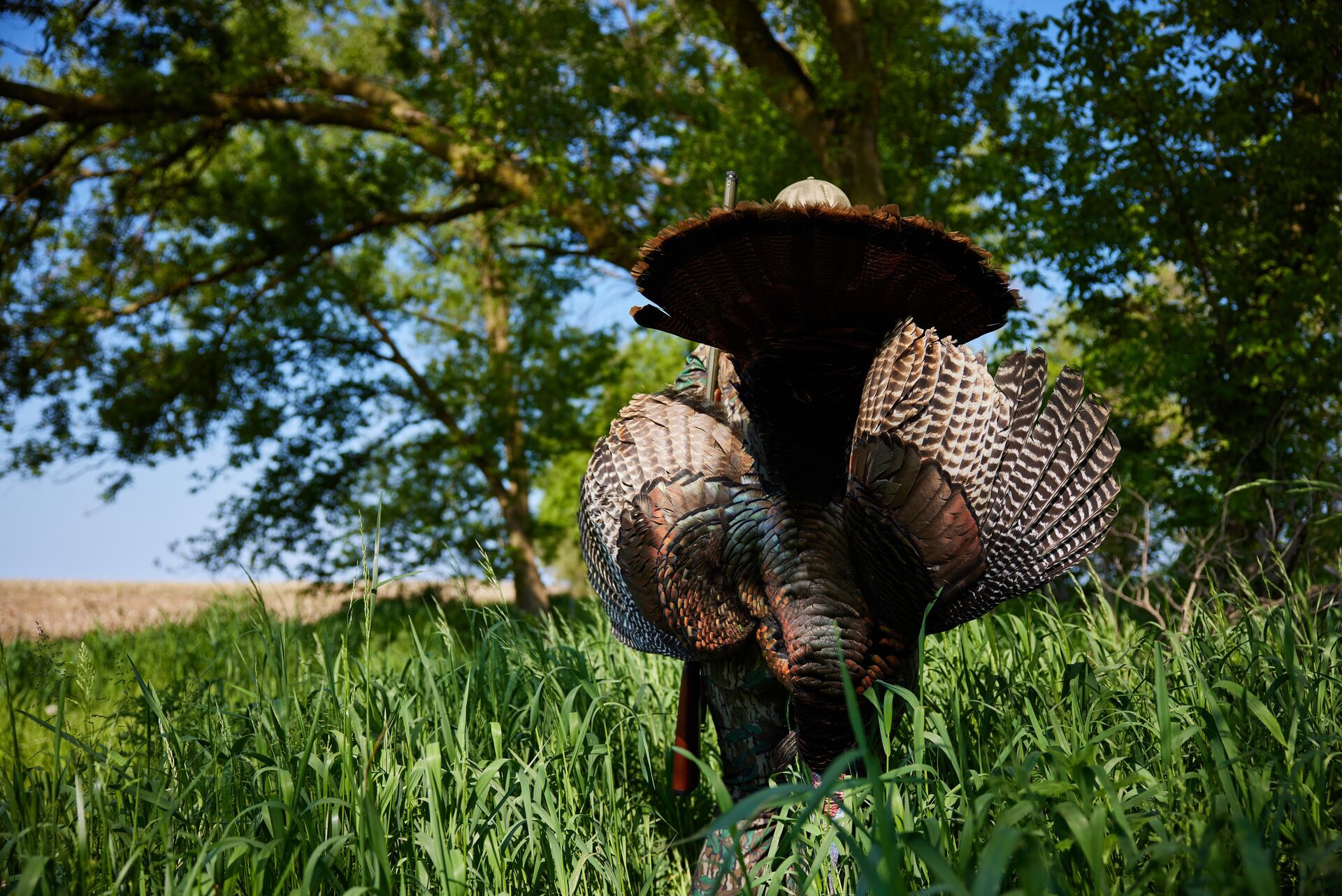
Indiana Turkey Season 2026: Dates, Limits, and More
Indiana turkey hunting starts with a Spring season (April 22–May 10, 2026) for bearded/male turkeys. The Fall season typically runs from October through January for either-sex birds. Read More
Read More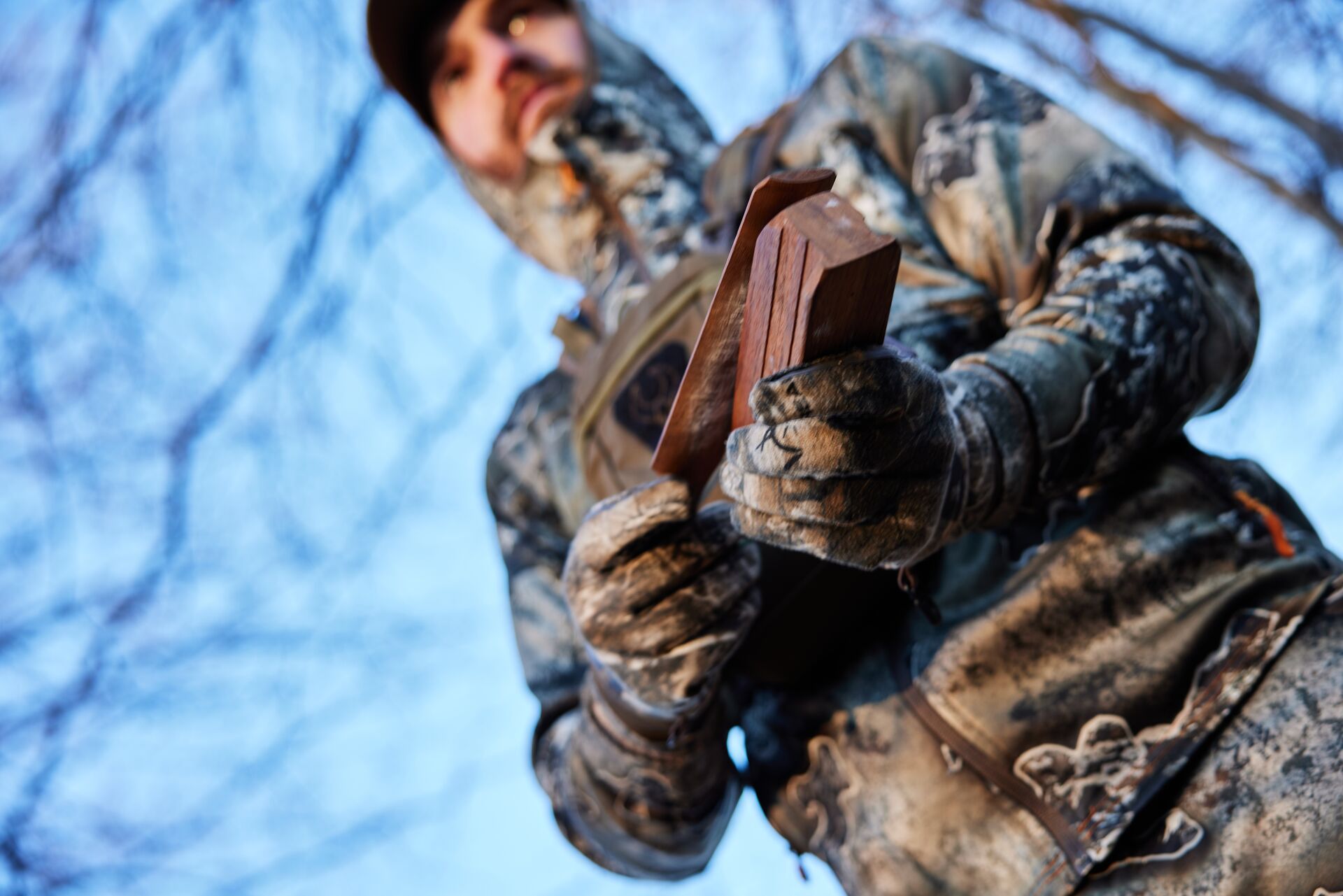
How to Use a Turkey Box Call
A turkey box call is a "friction" call that uses a wooden box attached to a wooden paddle. Although box calls are widely considered the best option for beginner turkey hunters, many experienced hunters continue to carry them into the field each year....Read More
Read More- Turkey
The Best Times to Hunt Turkey (2026)
Most experienced hunters will tell you that early morning is the best time for spring turkey hunting. You can also have good success hunting midday and in the late afternoon, just before sunset. Read More
Read More - Turkey
Indiana Turkey Season 2026: Dates, Limits, and More
Indiana turkey hunting starts with a Spring season (April 22–May 10, 2026) for bearded/male turkeys. The Fall season typically runs from October through January for either-sex birds. Read More
Read More - Turkey
How to Use a Turkey Box Call
A turkey box call is a "friction" call that uses a wooden box attached to a wooden paddle. Although box calls are widely considered the best option for beginner turkey hunters, many experienced hunters continue to carry them into the field each year....Read More
Read More
1 of 3