Field Guide / Turkey
How to Call Turkeys: Calls, Techniques, and When to Use Them





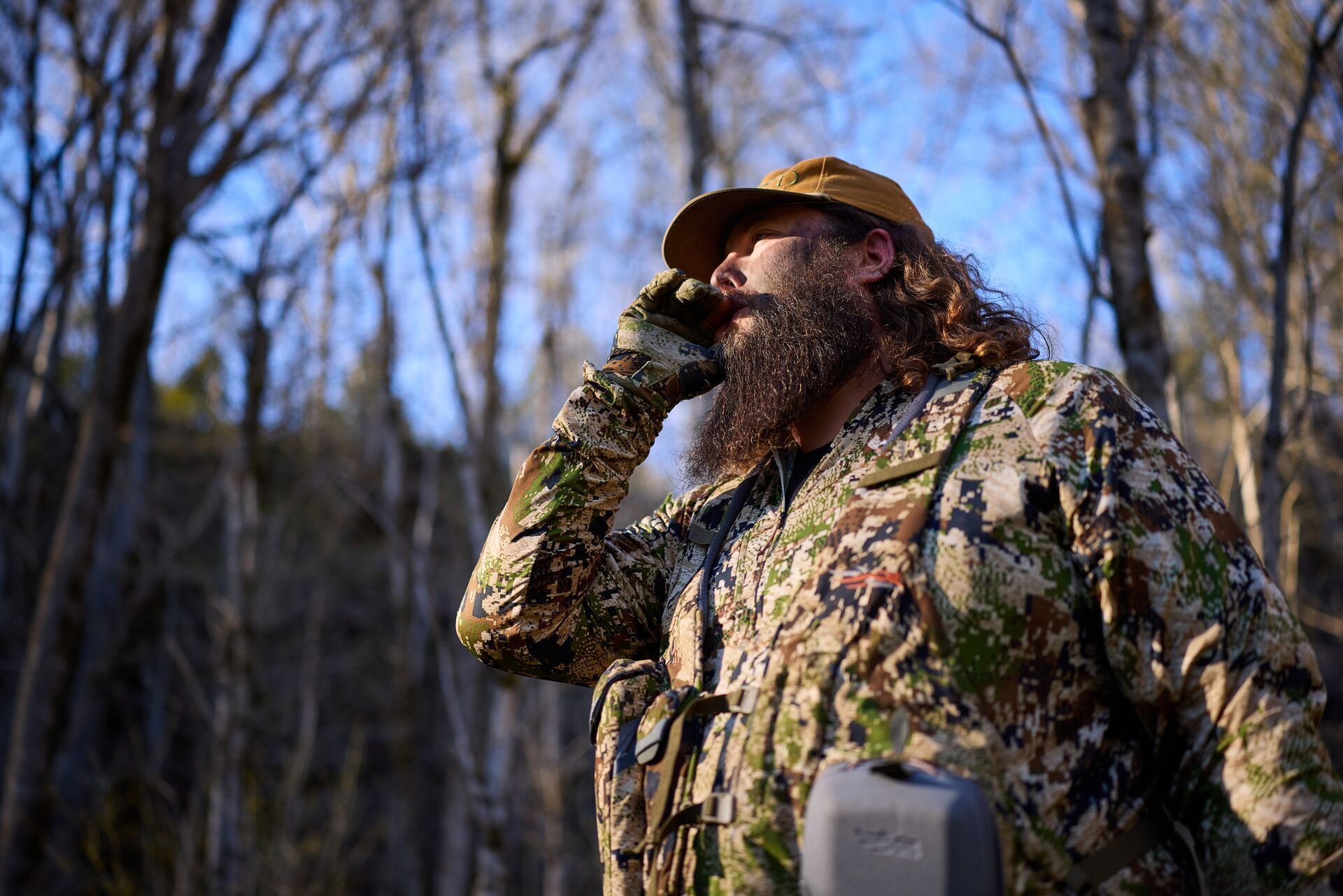
To call turkeys effectively, use basic sounds like yelps, clucks, and purrs to mimic hen behavior, and adjust your calling based on turkey response and hunting pressure. Start with soft, realistic calls, then increase intensity only if needed, as overcalling can reduce your chances of success.
Turkey hunting may very well be one of the most complex things a hunter can master. There are so many things that you, as a hunter, must try to do to get birds into range, and close range at that! From knowing where to set up and position yourself and blind, where and how to set up your decoys, and knowing how to call turkeys, including when to call, when not to call, and what call to use — all of these things play a factor in bringing in a longbeard or spooking him away.
So, let's dive into some of these topics, focusing on turkey calling tips and tricks, to hopefully pull in Mr. Tom this season and punch your spring turkey tag!
Updated April 14, 2026
Every Turkey Hunt (and Situation) Is Unique
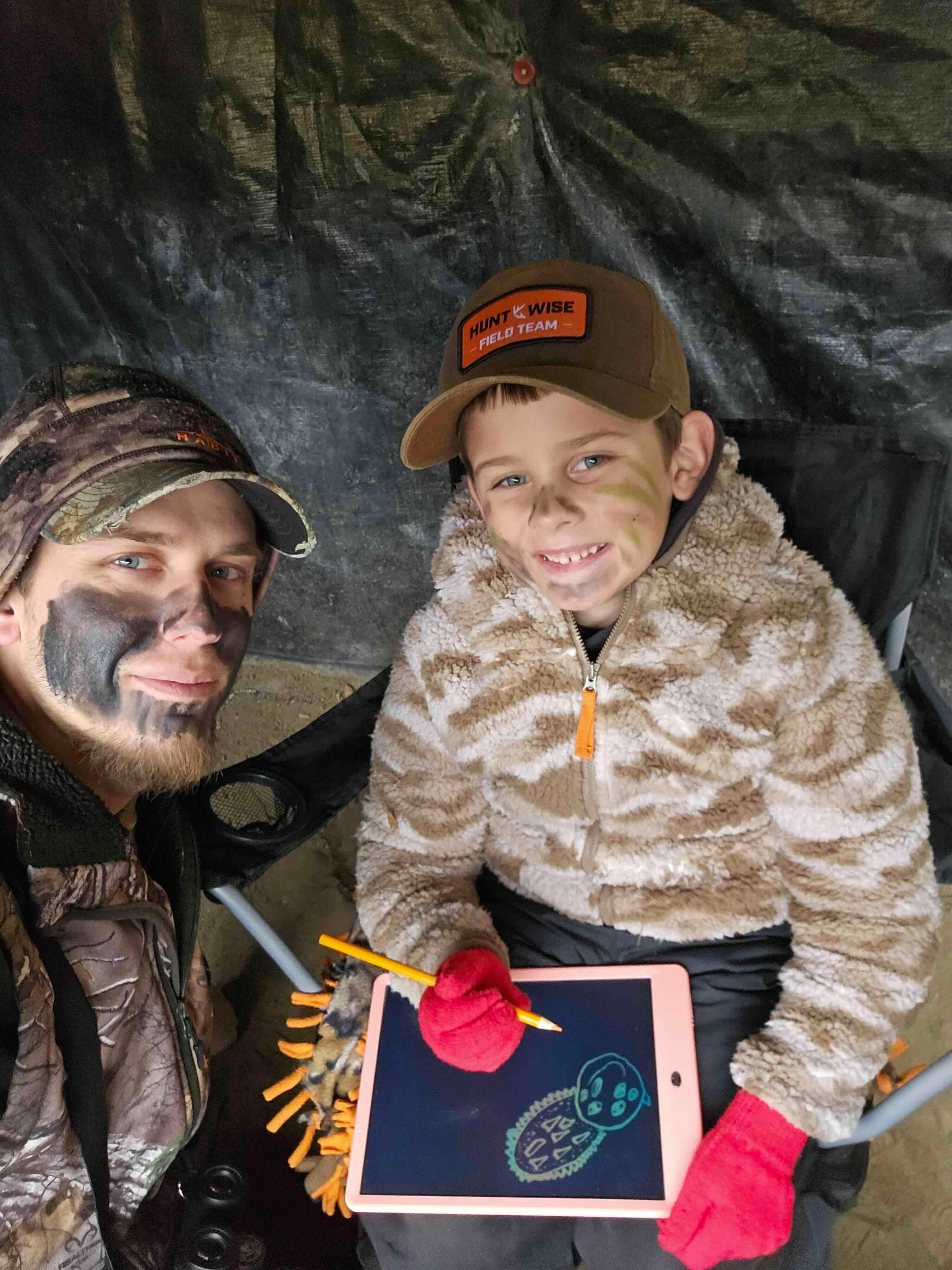
With so many different scenarios and types of calls to cover, I won't be able to hit on every single one of them — but I will talk about several things to try and keep in mind this spring. Just know that the scenarios we'll cover today may not be your exact situation, but you can adapt to fit your needs.
Depending on where you hunt, your tactics and setups may be different, but applying good turkey calling tips and tricks will still apply and help you bring a bird into range.
Step 1: Get To Know Different Types of Turkey Calls
First, let's look at the different types of turkey calls out there to be used. Within each category, there are many different brands of calls and sounds you can make from each call.
There are:
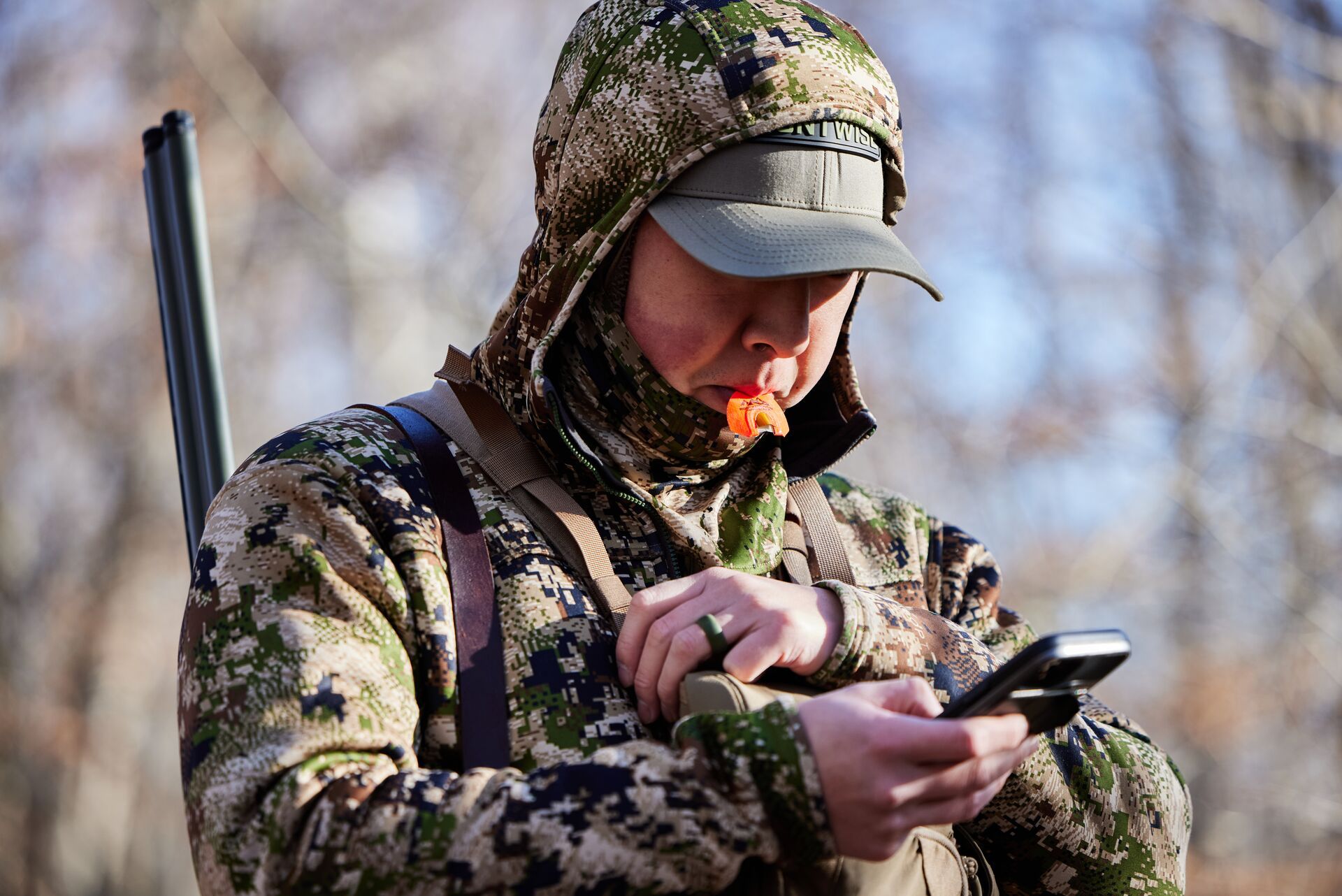
- Diaphragm calls that come in all kinds of different cuts to each sound unique
- Box calls made from different types of wood to sound higher or lower-pitched
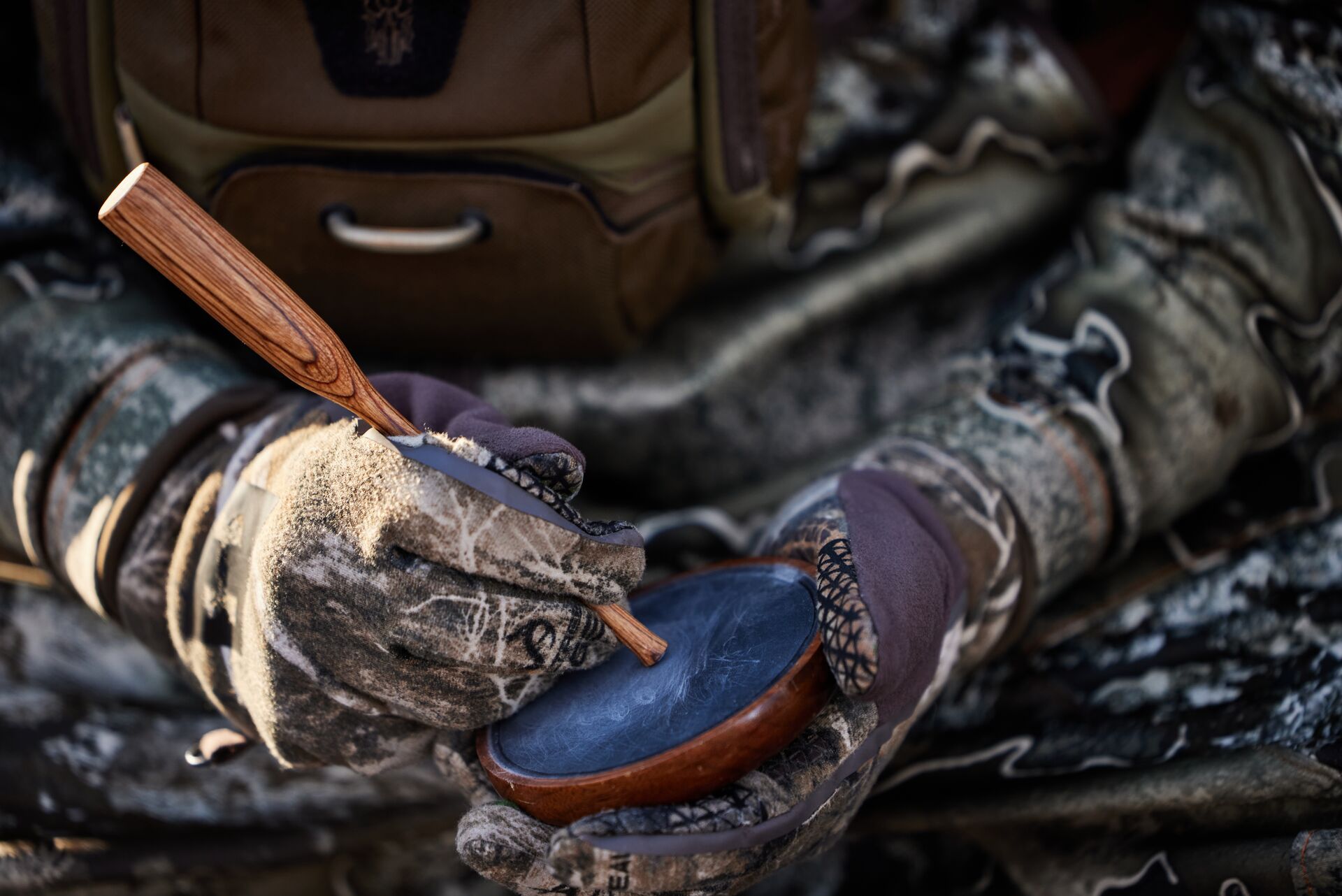
- Slate calls made from glass or ceramic and can be used with a different type of striker as well
- Push button styles (great for beginners)
- And there are gobble calls
Now, if that doesn't all make your head start to spin, I don't know what will!
Which is the Best Call When Learning How to Call Turkeys?
There is no right or wrong answer when it comes to choosing a call. I have used almost all of these styles except for a gobble call and had success in bringing in birds or, at a bare minimum, having birds react to each type of call — and I am not a professional at any of them!
The biggest thing when choosing a style (in my opinion) is determining how much time you are going to have to practice with your call before entering the woods. If you are a beginner or someone who will not have time to practice a lot, I highly suggest going with a push-button call, as they are very easy to use and make clucks, purrs, and yelps.
If you can make those three sounds, you will most likely find success.
Step 2: Use Different Turkey Calling Tips and Tricks for Spring Hunts
Once you have chosen your call (or calls) and have practiced making the different types of turkey sounds, don't get all gung-ho about using them all the time.
As with any type of hunting, when using calls, you have to know when and how often to use them. Over-calling can do the exact opposite of what you're trying to accomplish. Instead of bringing birds into your setup, you may spook them away due to things not seeming natural.
Listen to what the birds in your area sound like and try to mimic them. Knowing what the hens are doing and then using the same types of sounds and rhythms can really be the key to being successful (or not).
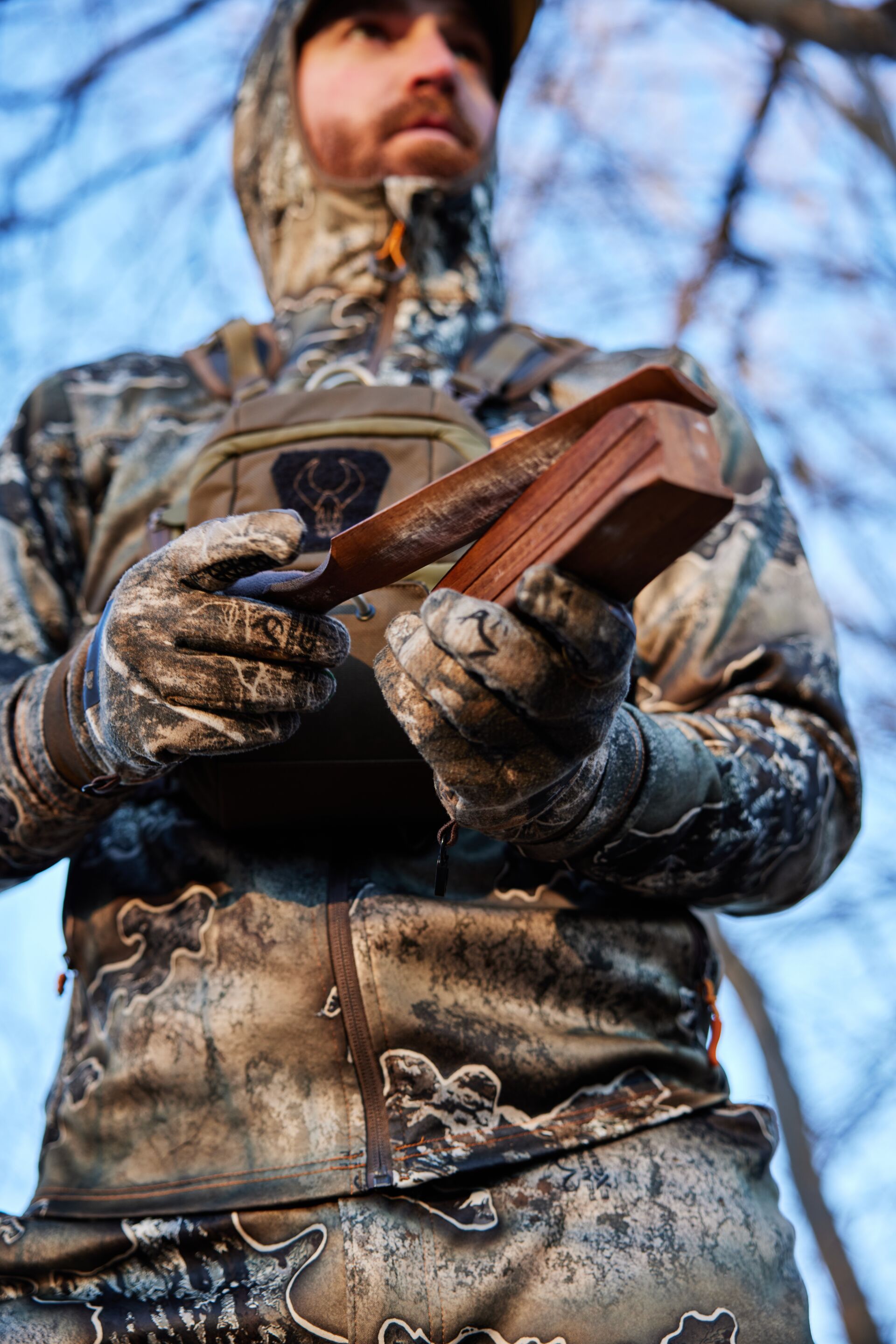
Your Goal is to Lure a Turkey In Close
Remember, you are trying to make that tom come away from the real deal (i.e., a real turkey) and into your setup. So, if you do not sound like the other birds in your area, he will most likely not want to leave what he already knows is real.
Step 3: Make Your Calls and Set-Up Work for Your Location
For me, living in Iowa, I have the best of all worlds when it comes to turkey hunting, but this is where things can really start to differ for hunters. I can hunt hardwood timbers, ag fields, river bottoms, hills or flats, and CRP-style (Conservation Reserve Program) fields. This is definitely not the case for some hunters, so depending on where you live or hunt, this is where you may have to find yourself adapting to your specific area.
For me, I generally hunt on the edge of timbers and ag fields. I know where the birds in my area roost and where they fly down into those crop fields. This makes setting up really easy for me.
I use a ground blind with a couple of decoys, either two hens or a hen and jake decoy, out in the field where they are highly visible to the birds. This setup, paired with some early calling, is usually a good combo for me to bring a tom into range.
However, this can be very different than a hunter who has to hunt in the middle of a thick forest or swampy area where birds cannot see long distances and decoys become almost pointless to use. If you do choose to use a decoy in thick cover, try to position it where you have a natural shooting lane as well as where a tom can see it from as far away as possible.
If he can see it, you have a much better chance of him committing to your setup. Turkeys rely heavily on their sense of sight, so if you can give him a visual to hone in on, this will help tremendously. But also be cautious of your movements while calling — you do not want to move too much and give your position away as he works his way into your setup.
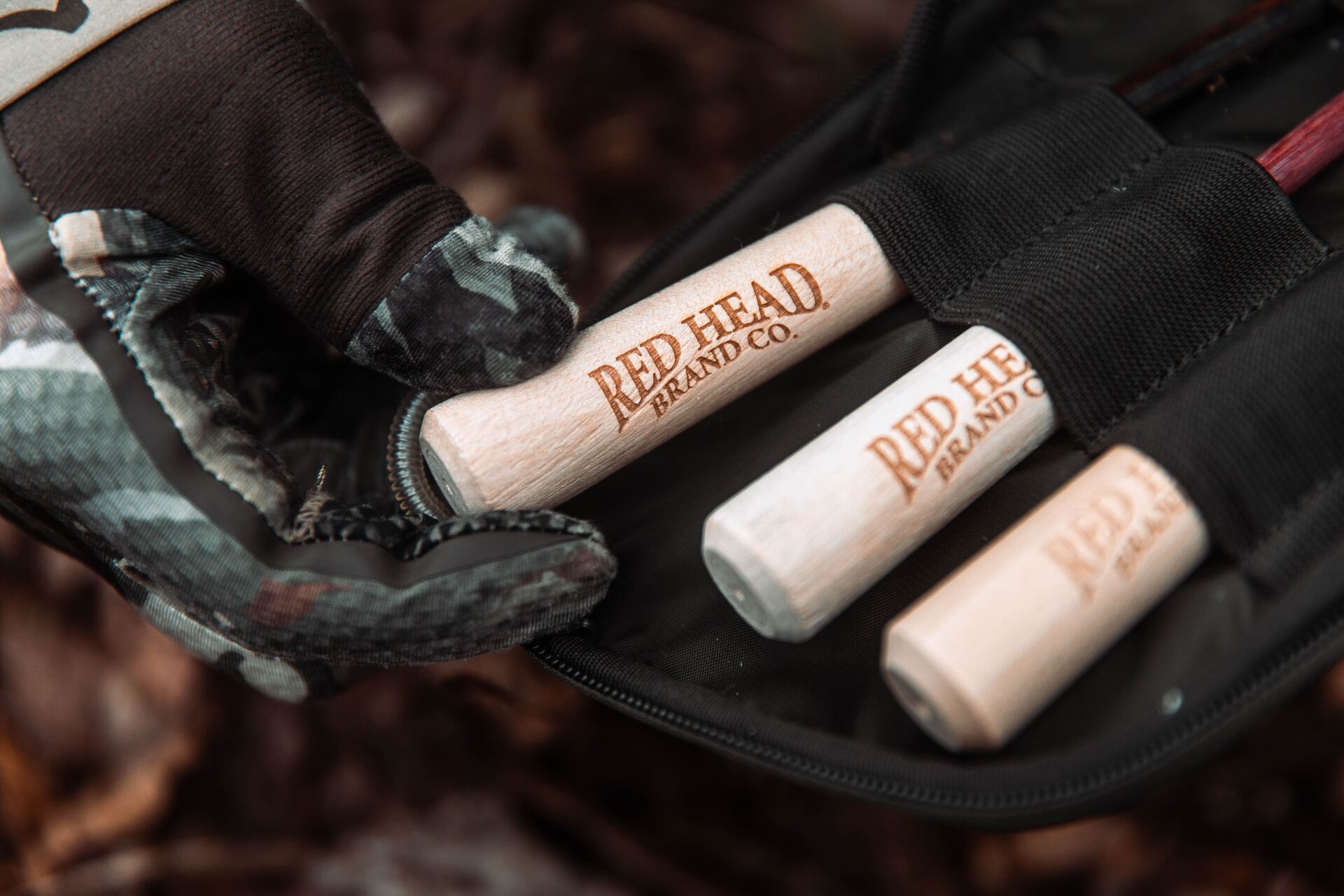
Step 4: Practice is the Key to Successful Turkey Calling Techniques
It all comes down to making sure you have time to practice with the style of call you want to use. Clucks, purrs, and yelps can all be made in any of the other styles of calls, with the exception of the gobble call.
Practice, practice, practice with what you choose to use, and you can find success this spring!
Why Are Turkey Calls Important?
Turkey calls are the game-changer you need for a successful hunt. They help hunters mimic real turkey sounds, making it easier to bring gobblers into range.
Whether you're using a slate call, box call, or diaphragm call, the right sound at the right time can trigger a turkey’s curiosity or its mating instincts, helping you guide it into the perfect location for a well-placed shot.
Without a call, you’re relying more on luck than strategy.
Calling adds excitement to the hunt and gives you the edge you need in the field. So, if you want to boost your turkey hunting game, a good turkey call is a must-have tool in your pack.
Patience and HuntWise Help You Call Turkeys for Successful Spring Hunts
Be patient, stay after it, and make sure you practice your calling skills before entering the woods, and you might just find yourself sitting behind some big fan feathers this spring!
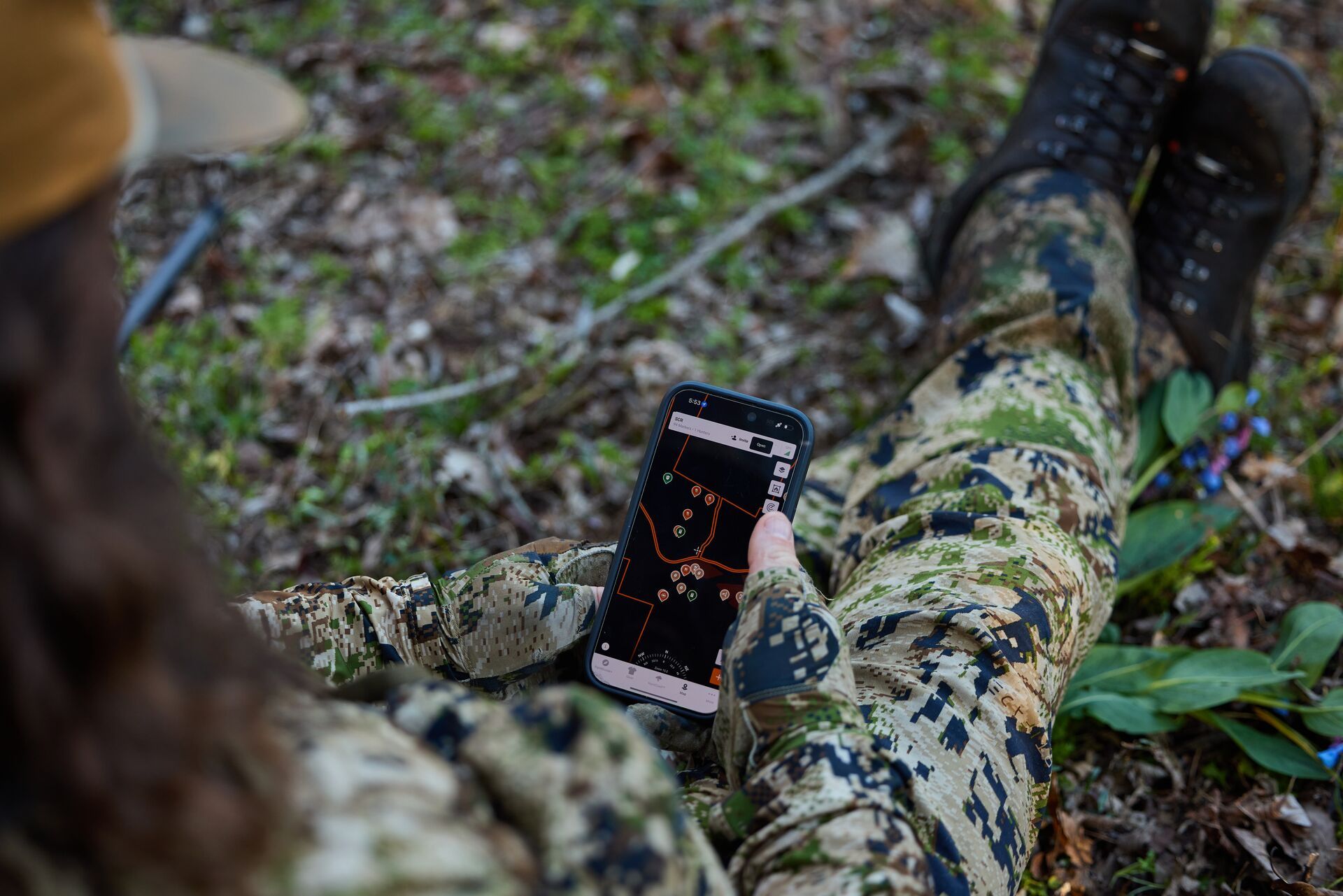
Remember to also use HuntWise to guide you to where you should set up for the best chance of calling in a tom. HuntWise maps help you scout areas where turkeys roost and feed, guiding you to the best spots to set up your blind and play the wind so your calls travel in the direction you want them to go.
If you don't have your turkey calls (or HuntWise yet), don't miss out this season! Spring is here, and it's time to hunt.
Download HuntWise, start your free trial, and plan your spring hunt — free — for your first week.

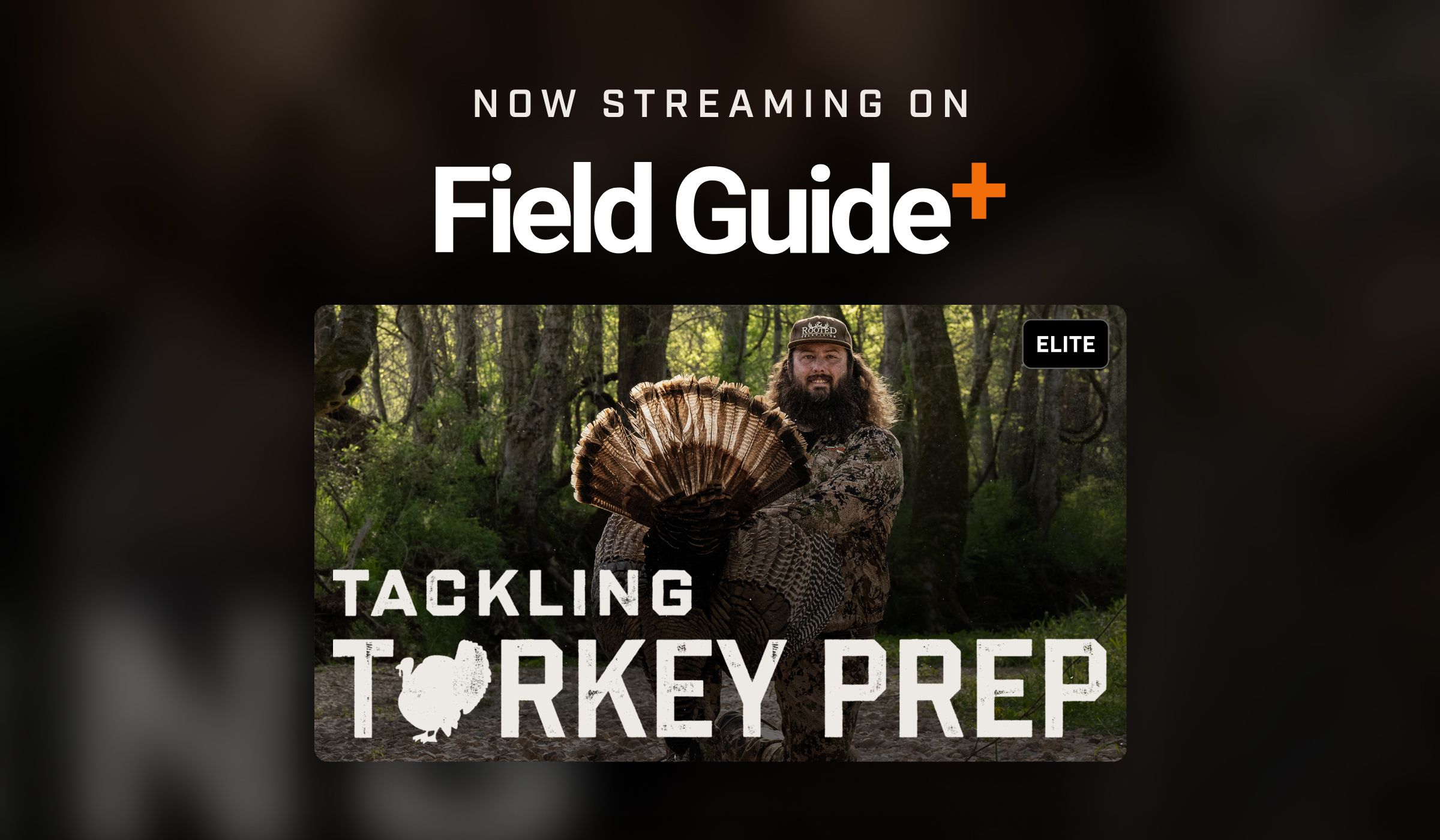
It's time to level-up your turkey hunts with insights from pro hunter Ben Cole of RootedTV! Our latest exclusive FieldGuide+ video series features his insights into how turkeys think, the ideal weapon choice to bring home a bird, calling tips and tricks, and more.
Check out the preview below, then start watching the series now as a HuntWise Elite subscriber!
Previous in Turkey
More Content Like This
When is Colorado Spring Turkey Season 2026?
If you're eager to start the Colorado spring turkey season 2026, you're in luck: the general season starts mid-April and runs through May. You'll need to be ready, though: licenses are limited and allocated via a draw system, and specific deadlines f...Read More
Read More
Florida Turkey Season 2026: Dates, Zones, & Bag Limits
Florida's 2026 spring turkey season begins March 7 (South of SR 70) and March 21 (North of SR 70), offering opportunities to hunt Osceola and Eastern wild turkeys. The season includes a 2-bird bag limit, expanded 4-day youth hunts in late February/Ma...Read More
Read More
California Turkey Season 2026: Dates, Regulations, and Where to Hunt
California turkey hunting includes a main spring season (typically from late March through early May) focused on bearded turkeys, as well as a fall season from November to December when either-sex birds may be taken. For 2026, the spring season runs ...Read More
Read More- Turkey
When is Colorado Spring Turkey Season 2026?
If you're eager to start the Colorado spring turkey season 2026, you're in luck: the general season starts mid-April and runs through May. You'll need to be ready, though: licenses are limited and allocated via a draw system, and specific deadlines f...Read More
Read More - Turkey
Florida Turkey Season 2026: Dates, Zones, & Bag Limits
Florida's 2026 spring turkey season begins March 7 (South of SR 70) and March 21 (North of SR 70), offering opportunities to hunt Osceola and Eastern wild turkeys. The season includes a 2-bird bag limit, expanded 4-day youth hunts in late February/Ma...Read More
Read More - Turkey
California Turkey Season 2026: Dates, Regulations, and Where to Hunt
California turkey hunting includes a main spring season (typically from late March through early May) focused on bearded turkeys, as well as a fall season from November to December when either-sex birds may be taken. For 2026, the spring season runs ...Read More
Read More
1 of 3